

Audi and Cadillac target F1 glory with differing strategies

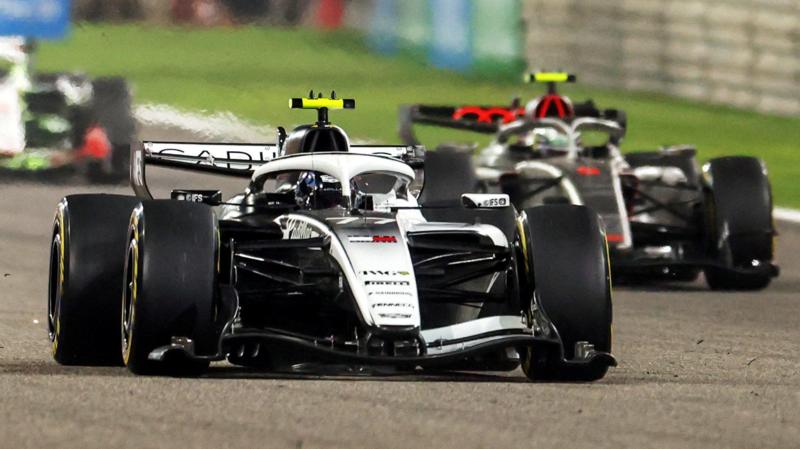
Audi and Cadillac have launched their respective Formula 1 projects with the ultimate ambition of becoming world champions, representing a significant new era for the sport.
Two global automotive giants are joining the grid for the 2026 season, bringing massive resources and historical prestige.
While parent companies Volkswagen Group and General Motors share the same objective, their methods differ significantly.
The German manufacturer has acquired the Sauber team to establish the basis for its works assault.
Conversely, the American heavyweight has partnered with TWG to debut under its luxury Cadillac marque.
Both organisations were drawn to the sport by new regulations emphasizing the marketing value of hybrid engine technology.
A long road to the front
The ultimate target for both operations is the drivers’ and constructors’ championships.
However, senior figures acknowledge the substantial gap between their current status and the front of the grid.
Audi has outlined a five-year plan to put themselves in a position to compete for the title.
The American outfit has remained less specific regarding timelines, but the intent is equally serious.
Team principal Graeme Lowdon has made it clear the operation possesses "limitless ambitions" for their future in the sport.
Audi’s historical pedigree
Jonathan Wheatley, the former Red Bull sporting director now leading the Hinwil-based squad, emphasised the scale of the task at the team’s launch.
"We’re not here to mess around. It’s an ambitious project. We’re humble. We know where we’re starting from and we know where we want to go," said Wheatley.
"We want to make Audi the most successful F1 team in history. There are milestones on that journey and we are starting it today."
The Ingolstadt marque boasts an enviable record in motorsport, including 13 Le Mans 24 Hours victories between 1999 and 2016.
They also revolutionized rallying with the introduction of the Quattro four-wheel-drive system in the early 1980s.
While new to modern F1, the brand’s heritage traces back to the European grand prix championship of the 1930s.
Rekindling old rivalries
Auto Union famously battled Mercedes for pre-war supremacy with drivers such as Bernd Rosemeyer and Tazio Nuvolari.
That historic rivalry is set to reignite in the paddock this season.
Tensions have already surfaced regarding engine compression ratio regulations, with the newcomers pushing for clarity against their Stuttgart rivals.
Despite the optimism, the immediate future presents a steep learning curve for the German outfit.
Transforming the existing Sauber infrastructure into a championship-winning operation remains a monumental challenge.
Initial investment levels following the 2022 announcement were scrutinised, suggesting a difficult start to this new chapter.