

Australian Grand Prix launches new F1 era with ‘wild’ opener expected

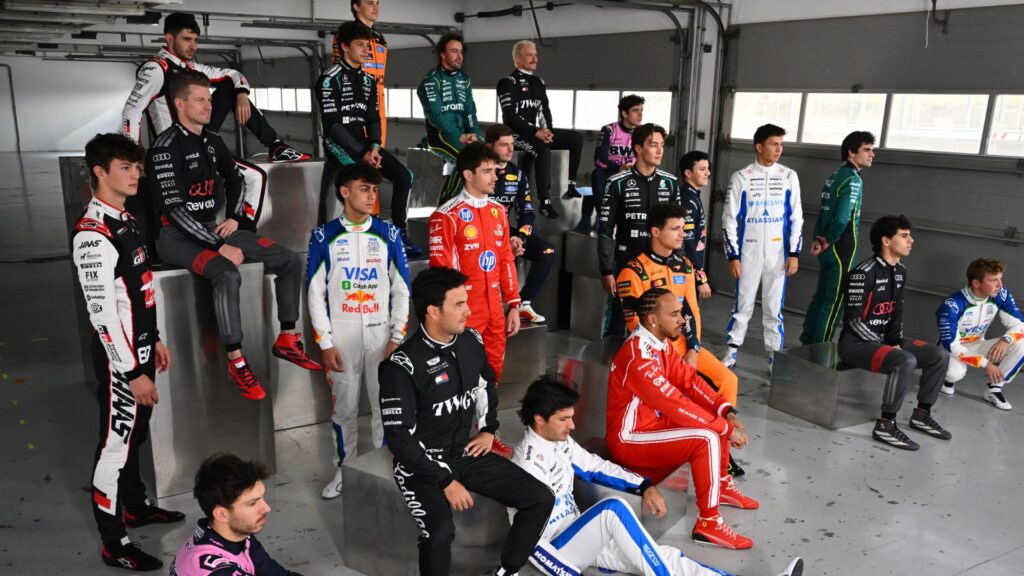
Formula 1’s revolutionary new era of regulations begins at the Australian Grand Prix this weekend as teams prepare for the unknown in Melbourne.
The sport undergoes the most extensive technical overhaul in its history as the lights go out for the season opener at Albert Park on Sunday.
Revisions to aerodynamics and power units have created significant challenges for engineers and drivers alike ahead of the 24-race campaign.
A sense of uncertainty permeates the paddock, with competitors unsure of the true pecking order.
Engine overhaul creates uncertainty
The 2026 regulations feature a near-equal split between internal combustion and electrical power for the first time.
Constructors have had just nine days of pre-season running to master their all-new challengers.
Much remains to be learned regarding energy deployment, placing new tactical demands on those in the cockpit.
‘A dramatic change’
Broadcaster and former F1 driver Martin Brundle believes the grid faces a chaotic opening to the championship.
“It’s a dramatic change, the biggest ever in Formula 1, and we’re right at the very beginning of it,” said Brundle.
“Teams have got to find ways of replenishing the battery and for it to not dominate the lap so much, but I think they’ll quite quickly do that and migrate together in terms of how they want to charge and use their power.”
“But, in the beginning, it’s going to be slightly wild.”
Reliability concerns return
The increased complexity of the power units has raised fears regarding mechanical failures.
Modern Formula 1 cars have been historically durable in recent years, but that trend may be about to break.
“We’re going to get unreliability as well, much more than we’ve seen in the last few years, when the last hybrid engines became bulletproof, really, and so did the cars,” added Brundle.
“I think you’ll not think you have won a grand prix until you literally see the chequered flag.”
The fight at the front
Despite the regulatory upheaval, the hierarchy from the previous generation appears to have carried over.
McLaren, Mercedes, Red Bull, and Ferrari remain the clear frontrunners based on testing data.
While the ‘big four’ have seemingly extended their gap to the midfield, placing the leading quartet in a definitive order remains difficult.
However, the field is expected to be more competitive than the start of the 2014 hybrid era, where Mercedes held a distinct advantage over floundering rivals.