

F1 champions criticise 2026 rules regarding energy management demands

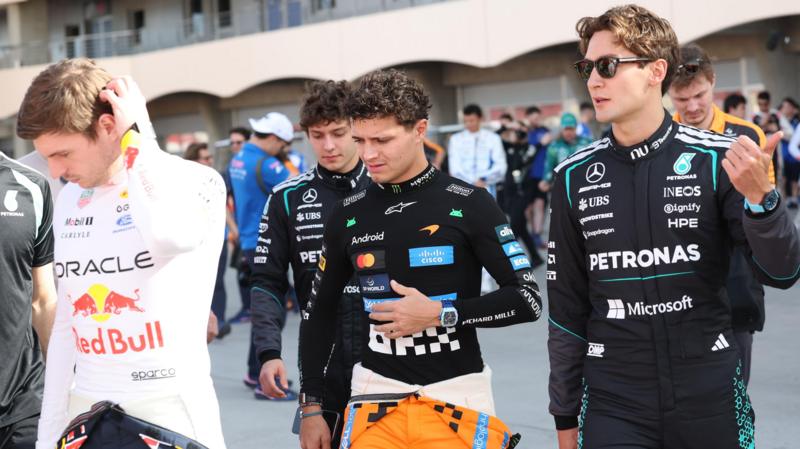
Formula 1’s leading drivers have questioned the sport’s impending 2026 regulations amid fears that complex energy management could dilute the ultimate driving challenge.
The upcoming overhaul represents one of the most significant technical shifts in the history of the series.
However, the grid’s most decorated stars have voiced skepticism regarding the new hybrid engine requirements.
Max Verstappen described the need to conserve energy in the new machinery as “not Formula 1”.
Lewis Hamilton echoed these sentiments, labelling the regulations “ridiculously complex”.
Fernando Alonso suggested that even a chef could drive the car at the required speeds, while Lando Norris claimed it was no longer the “purest form of driving”.
Defining the modern driver’s challenge
It would be foolish to ignore the collective concerns of the sport’s four active world champions.
Yet, a frame of reference is required before concluding that the pinnacle of motorsport has been compromised.
The fundamental job of a grand prix driver remains navigating a circuit in the shortest possible time.
While the purest definition involves braking late and cornering at maximum velocity, grand prix racing is rarely a flat-out sprint.
Competitors have always had to manage tyres, fuel loads, and mechanical constraints over a 200-mile distance.
The core question is whether the heightened focus on hybrid energy management removes the necessity of driving on the limit of grip.
Pushing the limits of adhesion
Despite the high-profile criticism, the consensus following pre-season testing in Bahrain suggests skill remains the differentiating factor.
Drivers including George Russell and Kimi Antonelli confirmed they remain on the edge of adhesion for the vast majority of a lap.
The 2026 specification cars generate less downforce than their predecessors, resulting in lower overall grip levels.
However, the pilots are still operating at the absolute limit of that reduced grip in the corners.
Oliver Bearman provided technical insight into how specific track sections have evolved under the new rules.
“Some corners on this track, which were last year limitations or places that you have to be aware of, are not really corners any more, they’re more power-limited,” the Haas driver explained.
“Like Turn 12 and Turn Seven.”
“So you do change the way that you approach those corners.”
“And where last year Turn 12 you were 40km/h faster this year, it’s not really a corner any more.”
Bearman admitted the sensation is strange but insisted the challenge remains intact.
“For the rest, you’re still pushing to the limit even if the limit is a bit lower at the moment,” he added.
“Once we get used to the differences in some corners, you just adapt your driving style.”