

F1 confirms Australian GP goes ahead despite Middle East travel chaos

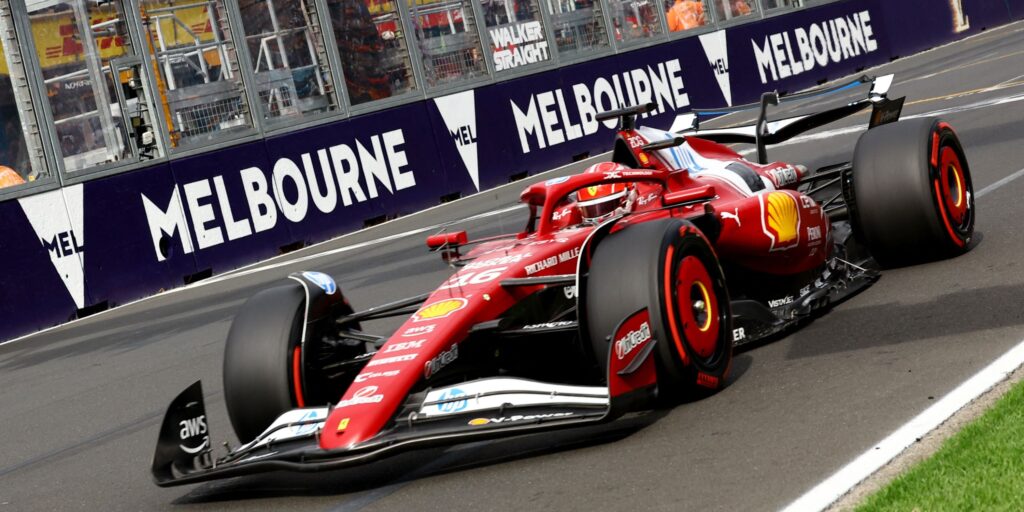
Formula One has confirmed the season-opening Australian Grand Prix will proceed as planned following a scramble to reroute personnel affected by airspace closures in the Middle East.
Organisers are confident the curtain-raiser at Albert Park will run without issue despite significant logistical disruptions.
However, serious doubts have emerged regarding next month’s back-to-back races in Bahrain and Saudi Arabia due to the escalating security situation.
Emergency travel arrangements
The sport’s governing body has worked urgently over the past 48 hours to ensure drivers and essential staff could reach Melbourne safely.
Large sections of Middle Eastern airspace have been closed following military activity involving the United States, Israel and Iran.
Approximately 1,000 members of the paddock have been forced to alter their travel plans, having originally intended to transit through major hubs in the region.
Alternative routes include a British Airways flight via Singapore and a dedicated business-class service routing through Tanzania.
Personnel from 10 of the grid’s 11 teams are currently en route to Australia along with key officials.
Australian Formula 1 chief Travis Auld said: “The drivers will be here, the engineers will be here, the team principals will be here. They’re the ones that have been prioritised, so you won’t see any surprise drivers under a helmet.”
Crucially, freight containing the cars and technical equipment arrived in Victoria following pre-season testing before the airspace restrictions came into force.
Middle East rounds under threat
While the action in Melbourne remains secure, attention has quickly turned to the viability of rounds two and three of the championship.
Contingency plans are currently being drawn up for the events in Bahrain and Saudi Arabia should the conflict necessitate a postponement.
US President Donald Trump has indicated the conflict could last longer than initial projections of four to five weeks.
Safety concerns are paramount for F1, particularly given that Bahrain is among the nations that have intercepted drone strikes recently.
A spokesperson for the sport said: “The safety and security of everyone in F1 will always be our priority. We monitor any situation like this and work with relevant authorities.”
Previous calendar disruptions
Formula One is no stranger to altering its schedule due to geopolitical instability or safety risks.
The 2011 Bahrain Grand Prix was cancelled entirely due to civil unrest in the country, reducing that year’s calendar to 19 races.
More recently, the sport was forced to completely rebuild its schedule during the Covid-19 pandemic, relying heavily on European venues to fill gaps left by cancelled fly-away events.
It remains to be seen whether the upcoming Middle East fixtures will be rescheduled for later in the year or replaced by standby hosts.