

FIA proposes mid-season F1 engine rule change amid Mercedes dispute

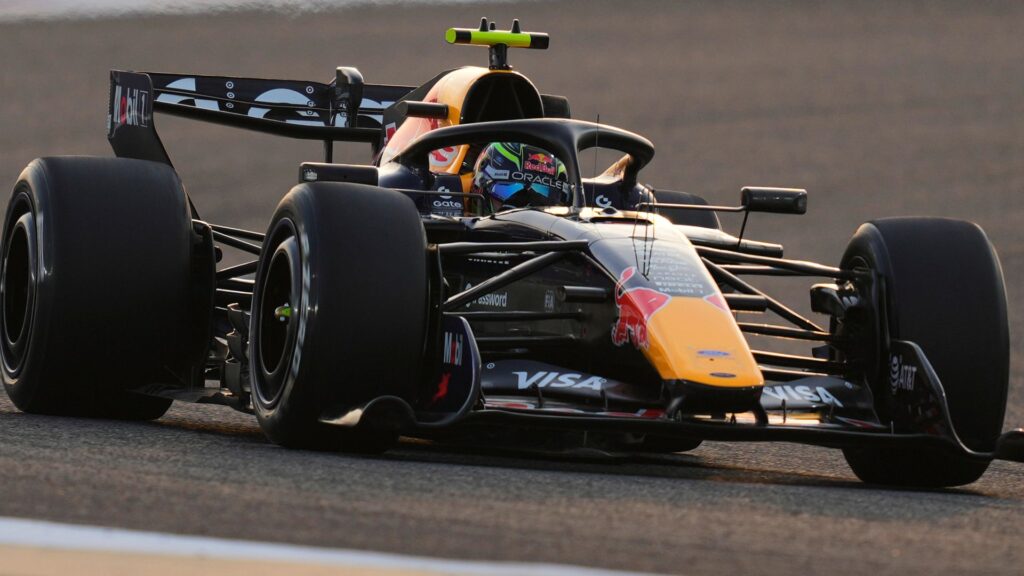
The FIA has proposed a significant mid-season change to Formula 1’s engine regulations to close technical loopholes, with a pivotal vote scheduled before the season-opening Australian Grand Prix.
The 2026 campaign represents the biggest technical overhaul in the sport’s history, featuring new power units that rely on 50% electrical energy.
However, the build-up to the new era has been dominated by a dispute over compression ratio limits.
Closing the loophole
Rival teams have suggested that certain manufacturers may have found a method to exceed the theoretical limits imposed by the fresh regulations.
While the ratio cap was lowered from 18.0 to 16.0, compliance measurements are currently only taken when the power unit is at ambient temperature.
It is understood that Mercedes is suspected by competitors of exploiting this condition to gain a performance advantage.
Discussions regarding the issue took place on Wednesday during pre-season testing in Bahrain, although the German manufacturer was reportedly not invited to specific talks.
To combat the potential exploit, the governing body has developed a new methodology to ensure fairness.
The FIA stated:“Over recent weeks and months, the FIA and the Power Unit Manufacturers have collaboratively developed a methodology to quantify how the compression ratio changes from ambient to operating conditions.”
“Following validation of this approach, a proposal has been submitted whereby, from 1 August 2026, compliance with the compression ratio limit must be demonstrated not only at ambient conditions, but also at a representative operating temperature of 130°C.”
The path to approval
A formal vote has now been submitted to the five registered power unit manufacturers: Mercedes, Red Bull-Ford, Ferrari, Honda, and Audi.
For the new testing procedures to be implemented by the summer break in August, a super-majority is required.
This necessitates six votes from the seven eligible parties, which includes the five manufacturers plus Formula 1 and the FIA.
An outcome is expected within the next 10 days, ensuring resolution before the cars take to the track in Melbourne on 6 March.