

Formula 1 confirms major 2026 rule changes and qualifying shake-up

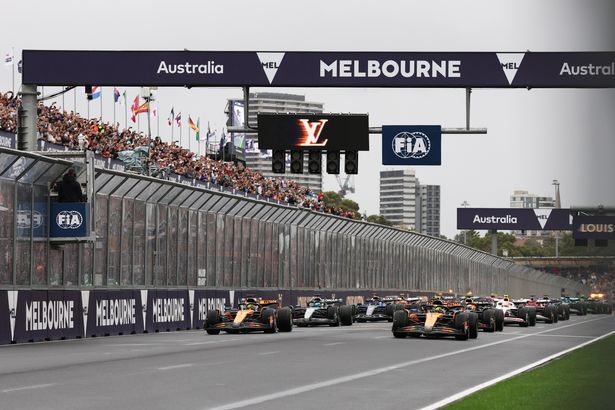
Formula 1 has confirmed a sweeping set of regulation changes for the 2026 season, introducing active aerodynamics and a revised qualifying format to accommodate an expanded grid.
The sport is preparing for one of the most significant technical overhauls in its history.
Regulations have been updated to reflect the arrival of General Motors brand Cadillac, bringing the field to 11 teams and 22 cars.
Active aerodynamics replace DRS
The traditional Drag Reduction System (DRS) will be retired in favour of a new active aerodynamic setup.
Cars will feature adjustable front and rear wings that transition between two distinct configurations.
Drivers will utilise ‘Z-Mode’ to generate maximum downforce through corners.
On designated straights, they can switch to a low-drag ‘X-Mode’ regardless of their proximity to other competitors.
To facilitate wheel-to-wheel action, a ‘Manual Override’ function has been introduced.
When within one second of the car ahead, a driver can deploy an additional burst of electrical energy to maintain high speeds for longer than their rival.
Engine overhaul and sustainable fuels
The 2026 power units have been redesigned to deliver an equal split between internal combustion and electrical power.
Complex heat recovery systems, known as the MGU-H, have been removed from the regulations.
To compensate, the output of the kinetic energy recovery system (MGU-K) has been tripled.
The FIA has also revised start procedures to allow drivers to build engine revs, countering potential turbo lag caused by the removal of the MGU-H.
Environmental sustainability remains a priority, with all cars running on 100% sustainable ‘drop-in’ fuel.
This fuel is derived from non-food sources or atmospheric carbon capture and functions without requiring combustion chamber redesigns.
Qualifying format adjusted for 22 cars
The expansion of the grid to 22 cars has necessitated changes to the knockout qualifying format.
Six drivers will now be eliminated at the end of both Q1 and Q2, an increase from the previous five.
This ensures that the final pole position shootout remains a battle between the top 10 cars.
The duration of Q3 has also been extended to 13 minutes.
This change provides teams with additional time to recharge batteries between flying laps, preventing the session from feeling rushed.