

Formula 1 enters new era in 2026 with major engine and aero rule changes

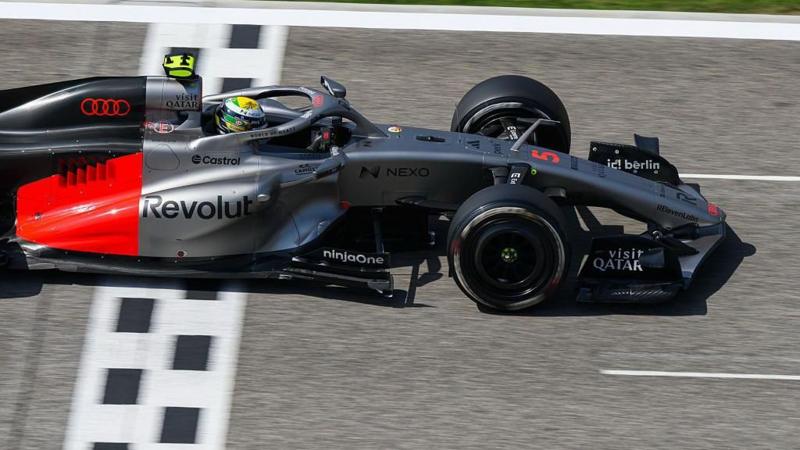
Formula 1 prepares to launch a transformative 2026 season featuring radical regulation changes, a new engine formula and the arrival of an 11th team ahead of the opener in Australia.
Radical technical overhaul explained
The sport is stepping into the unknown with the most significant technical overhaul in its history.
Power units, chassis design, tyres and fuel specifications have all been revised for the campaign starting in Melbourne on 6 March.
Cars have been designed to be smaller and more environmentally friendly.
The new power units feature a near 50-50 split between electric and internal combustion power, utilizing fully sustainable fuels.
However, concerns have been raised regarding the significant degree of energy management now required from competitors.
Active aerodynamics replace DRS
The Drag Reduction System (DRS), a staple of overtaking for over a decade, has been removed from the regulations.
It is replaced by a new ‘overtake mode’, which provides drivers with a burst of extra electric energy when running within one second of a rival.
This shift is necessitated by the introduction of active aerodynamics.
Front and rear wings will now adjust angles on straights to reduce drag, before increasing downforce again for cornering.
Ferrari attracted attention during pre-season testing with a rotating ‘upside down’ rear wing configuration when their car’s straight-line mode was activated.
Verstappen and Hamilton question complexity
Paddock reaction to the new regulations was mixed following six days of testing in Bahrain.
Max Verstappen expressed scepticism regarding the driving style required by the new power units.
They are like Formula E on steroids.
Max Verstappen, four-time world champion
Lewis Hamilton also highlighted the challenges posed by the regulations, though he admitted the new machinery offered an engaging driving experience.
The new rules make F1 ridiculously complex, [but the cars are] more fun to drive.
Lewis Hamilton, seven-time world champion
Lindblad flies the flag for Britain
Arvid Lindblad stands out as the sole rookie driver on the grid for the upcoming season.
The British teenager has secured a seat alongside Liam Lawson at Racing Bulls.
Lindblad, who has a Swedish father and a mother of Indian descent, previously made history as the youngest winner in Formula 2.
He will be 18 years and seven months old on race day in Australia.
This makes him the fourth youngest driver in the sport’s history, trailing only Verstappen, Lance Stroll and Kimi Antonelli.
Madrid joins calendar for Spanish double
Formula 1 will stage its own version of ‘El Clasico’ as Madrid joins Barcelona on the schedule.
The Spanish Grand Prix moves to the capital from 11-13 September at the ‘Madring’.
This new venue is a purpose-built track featuring 22 corners, utilizing a combination of public roads and private land.
Barcelona remains on the calendar for 2026 under the new title of the Barcelona-Catalunya Grand Prix.
The Catalan circuit will subsequently enter an alternating arrangement with Belgium’s historic Spa-Francorchamps track in future seasons.