

Berlin approves Olympic Games bid for centenary of 1936 Nazi Games

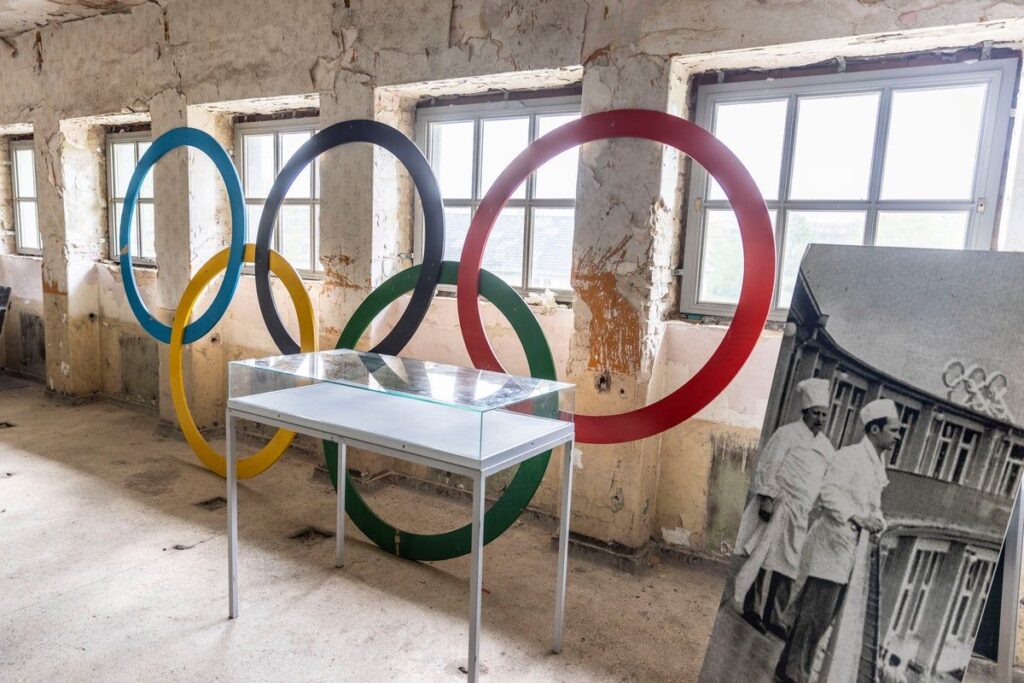
Berlin’s state parliament has officially approved a proposal to host the Olympic Games in 2036, 2040 or 2044, potentially marking the 100th anniversary of the controversial 1936 event.
The bid was originally unveiled last May at the city’s historic Olympiastadion, the same venue where American athlete Jesse Owens famously defied Adolf Hitler’s regime by winning four gold medals.
City officials have endorsed a concept that heavily relies on utilising existing sports facilities rather than constructing costly new arenas.
Iconic local landmarks, such as the public park located at the former Tempelhof airport, are also included in the proposed infrastructure plan.
Financial projections and political pushback
Current financial forecasts suggest the project will cost approximately €4.82bn (£4.1bn) to deliver.
However, organisers anticipate revenues of €5.24bn (£4.5bn), which would generate a net profit of around €420m (£360m) for the German capital.
“Our bid is a genuine promise for future generations. We want positive development for Berlin.”
Kai Wegner, Mayor of Berlin
A quarter of any eventual surplus is already earmarked to be handed over to the International Olympic Committee (IOC).
Opponents highlight historic cost overruns
The ambitious proposals have faced strong pushback from politicians representing the Left party and the Greens.
Opposition leaders raised serious concerns regarding the substantial financial risks associated with hosting the global sporting spectacle.
Tobias Schulze of the Left party noted that the last three iterations of the summer event had exceeded their initial cost estimates by more than double.
Critics have consequently dismissed the financial projections as “empty promises” and “castles in the air” given the history of similar mega-events.
National competition awaits
Organisers have explicitly ruled out holding a public referendum on the matter, choosing instead to push forward via government approval.
The capital city must now compete against three other domestic proposals from Munich, Hamburg, and the North Rhine-Westphalia region.
The German Olympic Sports Confederation will review all four applications on 26 September before submitting an official national candidate to the IOC.