

Heartbreak confirmed as US decision ends ice dance scoring row

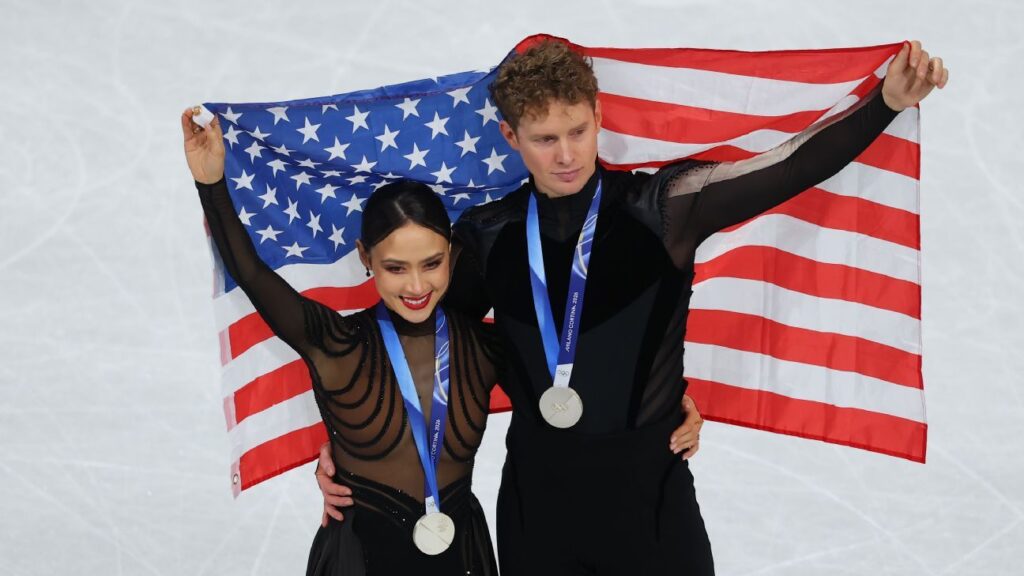
U.S. Figure Skating has confirmed it did not file an appeal against the controversial judging that relegated Madison Chock and Evan Bates to silver, officially conceding the gold medal to France.
Deadline passes without action
The American federation declined to challenge the result despite a furore surrounding the scoring in Milan.
Officials had a strictly enforced 24-hour window to lodge a formal protest following the event.
That deadline has now expired, cementing the silver medal position for the US duo.
USFS CEO Matt Farrell acknowledged the intensity of the situation surrounding the outcome.
There has been a lot of thoughtful, and at times emotional, discussion about the ice dance competition in Milan.
Farrell insisted the organisation would now focus on supporting the athletes rather than pursuing litigation.
Working together with Madi and Evan after the Games, we will have thoughtful and intentional discussions about the best way to support them and the future of the sport.
The maths behind the outrage
Intense scrutiny had fallen specifically on the marks awarded by French judge Jezabel Dabouis.
Data analysis revealed Dabouis favoured the French pair, Laurence Fournier Beaudry and Guillaume Cizeron, by nearly eight points in the free dance.
This margin was significantly wider than that of her colleagues on the panel.
Had the French judge’s score been removed from the aggregate, Chock and Bates would have been crowned Olympic champions.
Dabouis had also awarded a similarly wide margin to her compatriots during the earlier rhythm dance segment.
Calls for transparency ignored
Any hope of a successful overturn appeared slim after the International Skating Union (ISU) quickly backed the officials.
The governing body insisted they had “full confidence” in the panel’s integrity.
It is normal for there to be a range of scores given by different judges in any panel and a number of mechanisms are used to mitigate these variations.
However, the skaters at the centre of the storm believe such confusion alienates the audience.
Chock argued that the public struggle to understand why the results did not match the performance on the ice.
Any time the public is confused by results, it does a disservice to our sport. I think it’s hard to retain fans when it’s difficult to understand what is happening on the ice.
Her partner, Bates, maintained that their performance felt worthy of the top prize.
We felt like we delivered our absolute best performance that we could have. It was our Olympic moment. It felt like a winning skate to us, and that’s what we’re going to hold on to.