

Cape Verde and Ghana stifle World Cup heavyweights with compact tactics

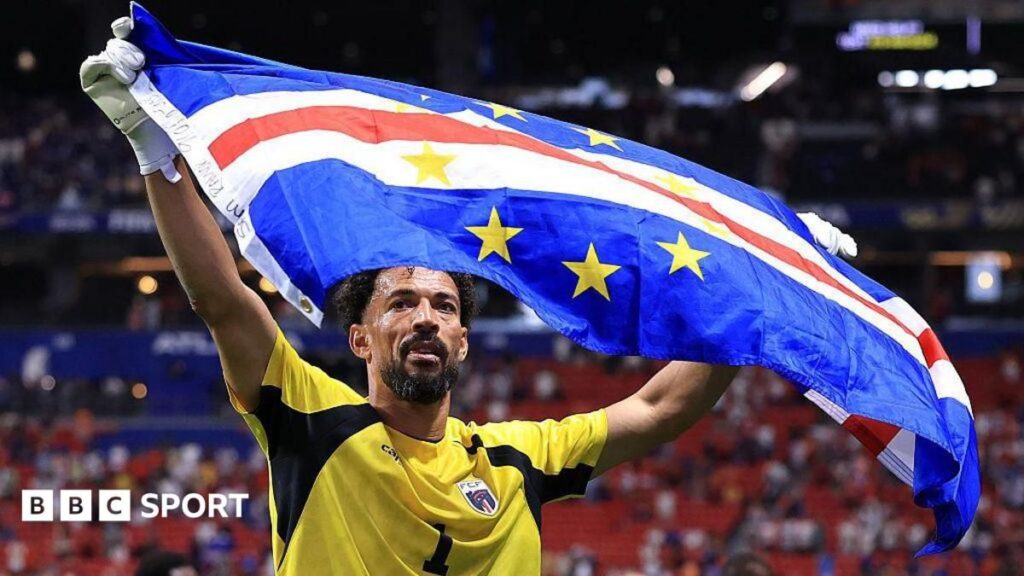
Lower-ranked nations including Cape Verde and Ghana are securing surprise results at the 48-team World Cup by deploying highly disciplined, compact defensive tactics against the tournament’s leading sides.
The expanded tournament format has produced several intriguing match-ups where traditional minnows have successfully thwarted global footballing powers.
Nations such as Curacao, South Africa, Ghana and Cape Verde have all taken unexpected points from heavyweights including Ecuador, South Korea, England and Spain.
These surprising outcomes are not merely a product of fortune, but rather the execution of meticulous defensive planning.
Refusing to take the tactical bait
The most striking example of this strategy occurred during a goalless draw between the third-smallest nation in tournament history and the Spanish national team.
The Blue Sharks stifled their illustrious European opponents by maintaining an exceptionally rigid defensive block.
Crucially, the spaces between their midfield and defensive lines remained virtually non-existent throughout the contest.
When high-possession sides recycle the ball backwards to entice defenders out of position, these underdogs are actively refusing to break rank.
The 2010 world champions repeatedly attempted to provoke a reaction by carrying the ball forward from deep areas.
However, the African islanders held their shape until the final possible moment, forcing their frustrated opponents to attempt speculative passes over the top.
Nullifying elite attacking threats
This exact template of passive resistance was prominently displayed during the Black Stars’ tactical masterclass against Thomas Tuchel’s England.
The Three Lions under their German head coach have increasingly relied on dropping deep to invite pressure before swiftly exploiting the resulting gaps.
Anticipating this approach, the West African side deployed a deeply entrenched formation situated just outside their own penalty area.
While veteran forward Jordan Ayew was tasked with man-marking Elliot Anderson higher up the pitch, his teammates rigidly maintained two tight defensive lines.
The statistics behind the strategy
The deliberate refusal to engage high up the pitch is clearly reflected in the pressing metric known as opposition passes allowed per defensive action (PPDA).
Higher PPDA numbers indicate a side that is entirely content to allow their opponents uninterrupted spells of possession.
Against the Spaniards, the island nation recorded a remarkably passive average PPDA of 51.2, compared to a fiercely aggressive 5.9 from their opponents.
Similarly, the Ghanaian setup yielded a staggering PPDA of 62 during the opening 15 minutes of their encounter with the English squad.
Interestingly, both underdog outfits gradually increased their pressing intensity as their respective matches progressed.
This tactical shift suggests a calculated plan to snatch late victories after successfully surviving the initial attacking onslaught.