

Cardiff City and Nantes face £104m court ruling over Emiliano Sala death

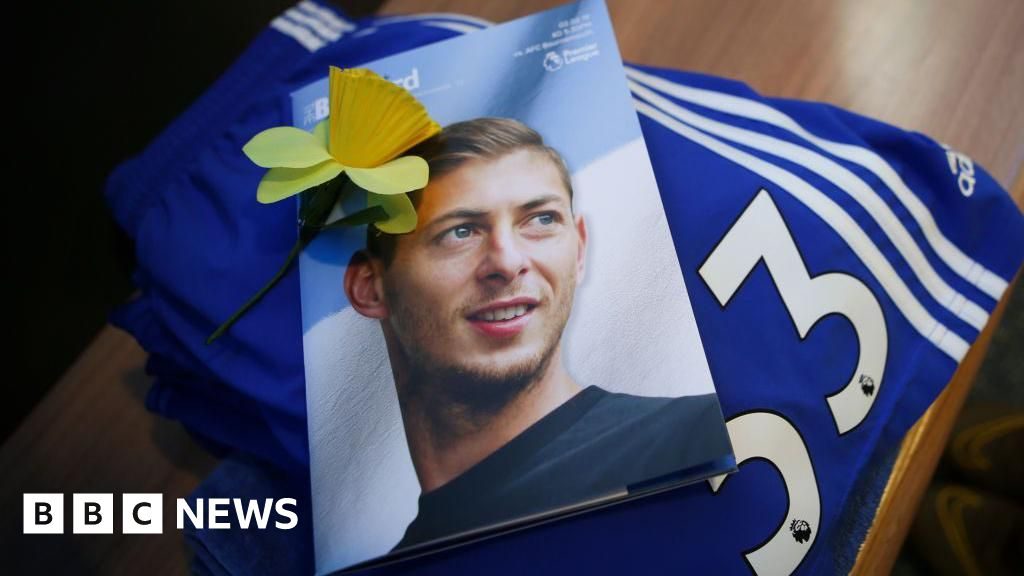
Cardiff City and FC Nantes are set to conclude a long-running legal dispute in a French court on Monday over a £104m compensation claim following the tragic death of Argentine striker Emiliano Sala in 2019.
A commercial court judge will decide whether the Welsh club should be financially compensated by the Ligue 1 outfit for the loss of the 28-year-old.
The Argentine forward and pilot David Ibbotson tragically died when their Piper Malibu aircraft crashed into the English Channel on 21 January 2019.
High-stakes compensation battle
The former Premier League side are demanding more than €120m (£104m) for loss of income and associated damages.
Their legal team argues that the prolific attacker’s arrival would have successfully kept the Bluebirds in England’s top flight.
Instead, the club suffered relegation to the Championship at the end of the 2018-19 campaign and eventually plummeted into League One in April 2025.
Representatives for the French club have strongly denied these claims and officially disputed the existence of any wrongdoing.
The ‘wild west’ of player welfare
The upcoming hearing follows a December 2025 session where the Welsh side argued that Willie McKay, the man who booked the fatal flight, was acting on behalf of the selling club.
Beyond the courtroom, the tragedy heavily scrutinised the opaque nature of global player movement and the usage of illegal charter flights.
Audio messages released after the crash revealed the newly signed striker’s profound unease and confusion regarding the rapid pace of the £15m move.
Despite widespread industry promises following the disaster, experts believe the systemic issues surrounding duty of care remain unresolved.
Calls for mandatory standards
Lorna McLelland, a former player liaison officer at Aston Villa, insists that the current landscape remains largely unregulated.
“In terms of movement of players, central to that is money…it’s always the case and it’s still a little bit of a wild west.”
“I’m really quite shocked that not much has been put in place for this but, as we know, football is a complicated world and there needs to be a lot more change than there has been to date.”
While most professional teams operate internal welfare systems, there are currently no universally mandated standards governing these roles.
This lack of regulation frequently leads to a problematic overlap with the specific duties of agents and intermediaries.
Jonathan Booker, a sports mediation expert, noted that an initial flurry of proactive industry activity following the tragedy ultimately faded away.
“I’d like to see set standards, if not accreditation, for player care and welfare.”