

Fifa introduces new extreme heat protocols for 2026 World Cup matches

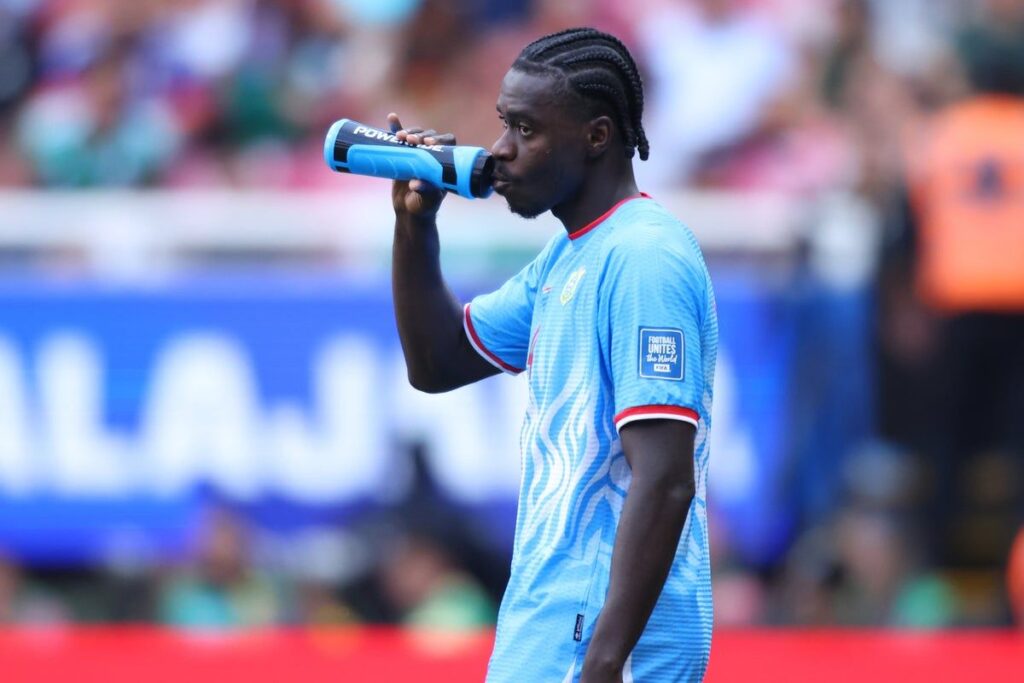
Fifa is introducing comprehensive safety measures to protect players and fans from extreme heat during the 2026 World Cup across North America.
Matches for the global tournament are scheduled for June and July across 16 cities in the United States, Canada and Mexico.
Rising global temperatures have sparked mounting concerns over the physical toll on athletes, match officials and travelling supporters.
Dangerous playing conditions
Research indicates that wet bulb globe temperatures could surpass 32C during afternoon fixtures.
This specific measurement accounts for humidity, wind speed and sun angle to assess the true environmental impact on the human body.
Host locations such as Dallas, Houston and Monterrey are considered particularly vulnerable to these soaring temperatures.
Those warnings come from Donal Mullan, a senior lecturer at Queen’s University Belfast, who led a recent paper examining local climate risks.
“Almost all of the host locations, 14 out of 16 of them, experience levels of extreme heat, which could be potentially dangerous to players, match officials and possibly spectators.”
Mandatory hydration and cooling zones
Exposure to intense conditions during physical exertion can lead to severe dehydration, heatstroke and potentially fatal outcomes.
Football’s governing body is now finalising specific plans to mitigate these severe environmental risks.
Competitors will receive mandatory three-minute hydration breaks midway through each half regardless of the underlying weather conditions.
Managers will also be permitted to make up to five substitutions during a game to protect squad welfare.
Learning from past tournaments
A minimum of three rest days between matches will be strictly enforced for all participating nations.
Staff and substitutes at outdoor venues will also benefit from specially designed climate-controlled benches.
The precedent for altering schedules to avoid scorching summer heat was firmly established during the 2022 tournament.
Organisers famously relocated the Qatar edition to the winter months to protect participants from the harsh desert climate.