

Iran demands World Cup visa guarantees from Fifa and tournament hosts

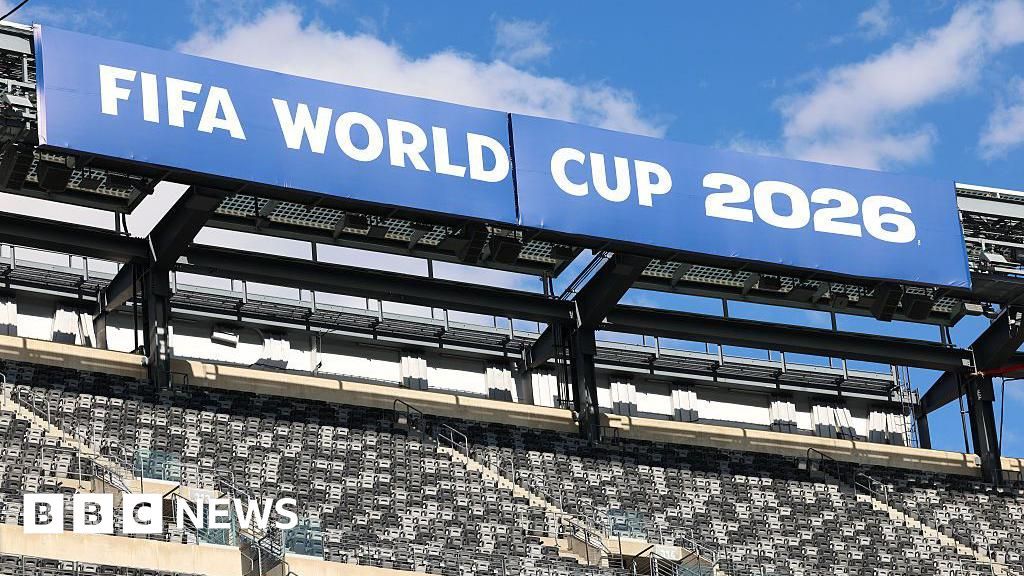
The Iranian Football Federation has issued 10 strict demands to Fifa, including visa guarantees for personnel with military ties, ahead of this summer’s World Cup in the United States, Mexico and Canada.
The Asian nation confirmed its intention to participate in the upcoming tournament but insists that the host nations must accommodate its cultural and political concerns.
“Iran will compete at the tournament without any retreat from our beliefs, culture and convictions,” the domestic governing body declared in an official statement.
These stringent conditions emerge shortly after Mehdi Taj, the federation president, was denied entry into Canada for last month’s Fifa Congress.
Visa complications and military ties
Among the core stipulations released on Saturday is a firm requirement that all travelling players, coaches and administrative staff receive immediate visa clearance.
Crucially, this encompasses individuals who have completed mandatory military service with the Islamic Revolutionary Guard Corps (IRGC).
The IRGC is officially designated as a terrorist organisation by both the US and Canadian governments.
These exact military affiliations were directly cited as the primary reason for Taj’s recent border rejection by Canadian authorities.
Security assurances and political friction
Beyond immigration hurdles, the national team is seeking absolute assurances regarding the respectful treatment of their flag and national anthem during the global showcase.
The Middle Eastern state has also formally requested enhanced security protocols across all designated airports, hotels and stadiums.
While global football’s governing body can heavily influence tournament logistics and official stadium protocols, overriding federal border controls remains entirely outside of its jurisdiction.
US Secretary of State Marco Rubio recently confirmed that Iranian athletes are welcome to compete, but he maintained a strict warning that individuals with IRGC connections could still face severe entry restrictions.
Media restrictions and regional context
Attempting to control the narrative, officials from Tehran have reportedly instructed journalists to strictly limit their questioning to technical sporting matters.
However, separating sport from state affairs remains inherently complicated given the recent escalation of conflict in the Middle East.
In late February, Israel and the US launched significant strikes against Iranian targets, prompting retaliatory attacks across the Gulf before a fragile ceasefire was established.
The blurring of sporting and political boundaries was previously highlighted at the Women’s Asian Cup in Australia, where several national team players attempted to claim political asylum.