

Mexican fans resume homophobic stadium chants ahead of 2026 World Cup

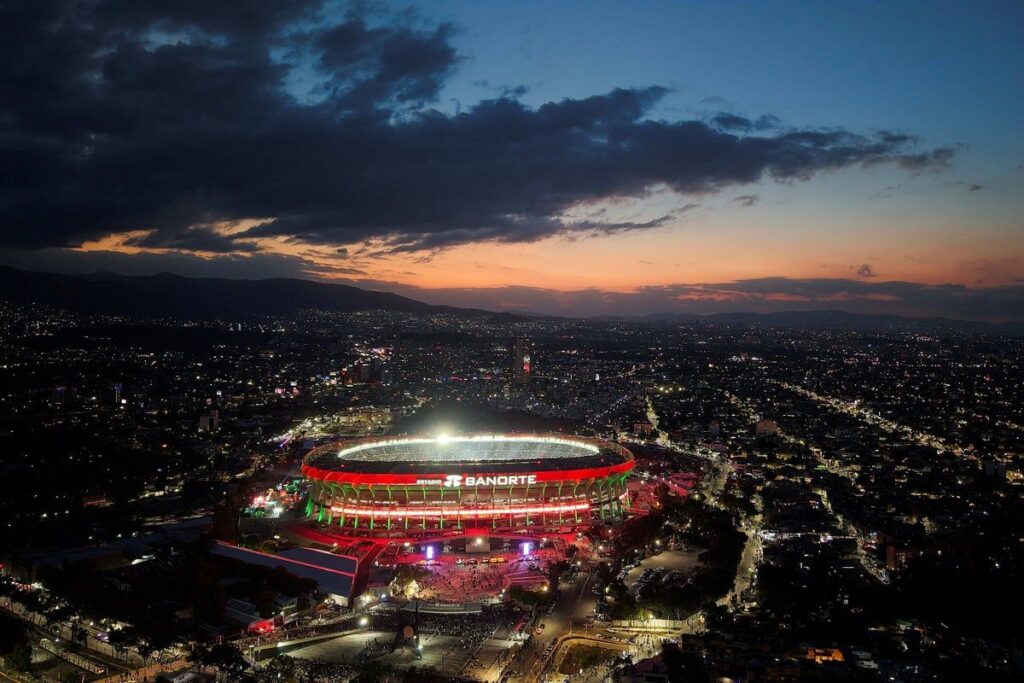
Mexican football fans have resumed using a discriminatory homophobic slur in domestic stadiums in recent weeks, raising concerns over potential Fifa sanctions ahead of the co-hosted 2026 World Cup.
The offensive Spanish term, traditionally aimed at opposing goalkeepers during goal kicks, has returned strongly after months of only sporadic use.
Its re-emergence represents a significant issue for global football’s governing body as the North American nation prepares to jointly host the sport’s biggest tournament.
Persistent use of the slur over the past two decades has already drawn widespread condemnation and severe disciplinary action.
History of disciplinary measures
The chant gained international notoriety during Brazil 2014 and was subsequently heard at tournaments in Russia and Qatar.
Repeated offences during the 2018 World Cup qualifying campaign led to the national side being forced to play behind closed doors at the iconic Azteca Stadium.
Despite those historic stadium closures and heavy financial penalties, supporters of El Tri continued to use the slur during group-stage matches against Poland and Saudi Arabia in 2022.
Ongoing efforts and appeals
The Mexican football federation initially defended the practice by arguing it held different cultural connotations and was not directed at the gay community.
Officials have since changed their stance, launching unsuccessful social media campaigns and urging spectators over public address systems to stop the abuse.
The national team currently has an active appeal pending before the Court of Arbitration for Sport regarding punishments handed down following a 2024 fixture against the United States.
Governing bodies demand change
Fifa has now partnered with the Fare Network to deploy anti-discrimination observers to all upcoming tournament matches.
These specialists are explicitly tasked with identifying abusive language and offensive banners across diverse cultural contexts.
Liga MX continues to rely heavily on pre-match announcements and an advertising campaign titled “We Are Mexico” to encourage positive spectator behaviour.
Ivar Sisniega, president of the Mexican Federation, acknowledged the ongoing struggle to eliminate the controversial tradition.
“Sustained efforts have been made for years to eradicate this type of expression, with awareness campaigns and measures in stadiums, and while there has been progress, we are aware that isolated incidents still persist.”