

Premier League considers new injury rules after Chelsea goalkeeper tactic

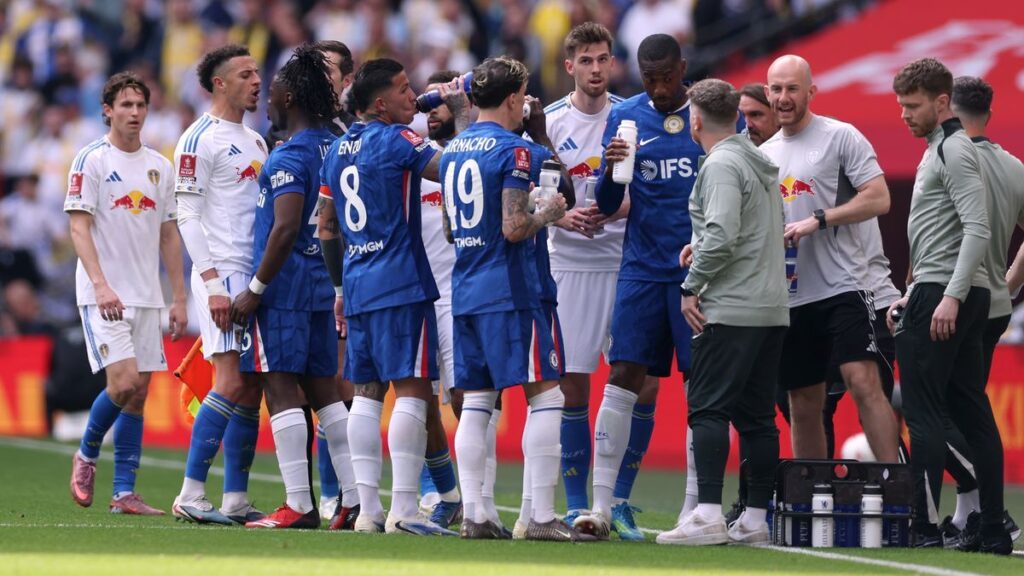
The Premier League is evaluating new IFAB regulations to combat fake goalkeeper injuries after Chelsea’s Robert Sanchez sparked outrage by forcing an unofficial timeout against Leeds United.
The controversial tactic drew intense scrutiny when the Spanish stopper sat on the Wembley turf requiring medical attention during the second half of their FA Cup tie.
While the 26-year-old received treatment, his Blues team-mates gathered at the touchline for tactical instructions, deeply frustrating the Yorkshire club’s players and supporters.
Leeds captain Ethan Ampadu was visibly angered by the delay, attempting to disrupt the impromptu team talk as his side chased an equaliser.
Lawmakers propose stricter sanctions
The International Football Association Board (IFAB) has now intervened, proposing revised regulations to eradicate the practice across the professional game.
Trials are scheduled for the 2026-27 campaign, with the Women’s Super League already volunteering to participate and top-flight English officials currently assessing their involvement.
One proposed measure would require any player needing treatment to leave the pitch for a full 60 seconds, doubling the existing half-minute mandate.
Crucially, if a goalkeeper requires medical attention, an outfield team-mate would be forced to temporarily vacate the field to ensure a numerical disadvantage.
Alternative trials and NWSL success
A stricter alternative being considered by the game’s lawmakers involves extending the mandatory sideline period to two minutes.
While proponents argue this would serve as a powerful deterrent against gamesmanship, critics fear it could compromise player welfare by discouraging legitimate treatment.
Former Chelsea winger Pat Nevin was highly critical of the Wembley incident, urging referees to take greater responsibility.
“It’s pure gamesmanship. That’s a problem in the game. If you are the referee, you’ve got to make a decision. He’s not injured.”
A third trial option mirrors regulations already successfully implemented by the National Women’s Soccer League in the United States.
Under these North American rules, outfield players are strictly prohibited from approaching their technical area for coaching instructions while the match is halted.
Official findings from these upcoming trial phases will be thoroughly examined by IFAB at their annual meeting in March next year.