

Thirty World Cup nations face hefty US tax bills over FIFA exemption failure

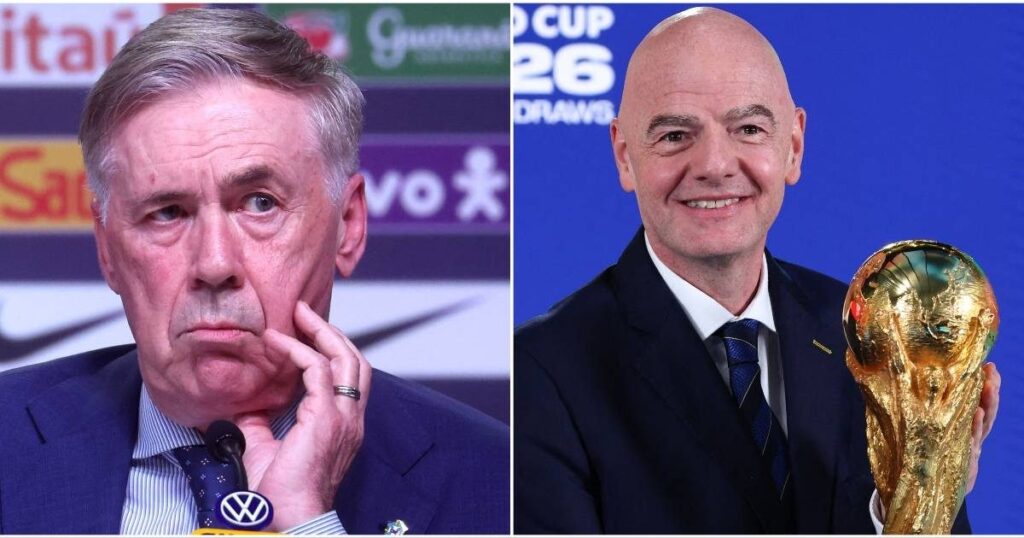
Thirty nations competing at the 2026 World Cup in North America face significant financial losses after FIFA failed to agree a blanket tax exemption with the United States government.
Only 18 of the 48 qualified countries have signed a double taxation agreement with the host nation.
This existing framework exempts delegations from those specific countries from paying federal taxes on their tournament earnings.
The remaining 30 national associations will now be forced to pay various federal, state and city levies.
Disproportionate impact on smaller nations
Global football’s governing body has historically enjoyed tax-free status in the US, most notably during the 1994 edition of the tournament.
However, that broad exemption will not automatically apply to all qualifiers when the showpiece event gets underway across the United States, Mexico and Canada.
Emerging footballing nations, including tournament debutants Curacao and Cape Verde, subsequently face disproportionately larger bills than established European powerhouses.
Tax consultant Oriani Morrison told The Guardian that teams from sophisticated jurisdictions with existing treaties will enjoy vastly lower costs.
“Many of the smaller teams, ones for whom this kind of windfall would have made a huge difference to their football industries, are going to be penalised with massive US tax bills,” Morrison said.
Coaches and players caught in the crossfire
Under federal law, athletes and performers remain obliged to pay tax when working on American soil regardless of their country’s treaty status.
Backroom staff and coaches from nations with agreements, such as England manager Thomas Tuchel, will be protected from double taxation.
Conversely, reports suggest Brazil head coach Carlo Ancelotti will be taxed on his earnings in both South America and the United States.
The Brazilian Football Confederation is likely to absorb the high-profile manager’s additional tax burden.
However, the lack of a universal exemption threatens to heavily penalise smaller associations who rely on tournament revenues for grassroots development.
The top rate of income tax for international athletes and coaching staff competing in the tournament will sit at 37%.