

Uefa split major and minor nations in 2030 World Cup qualifying

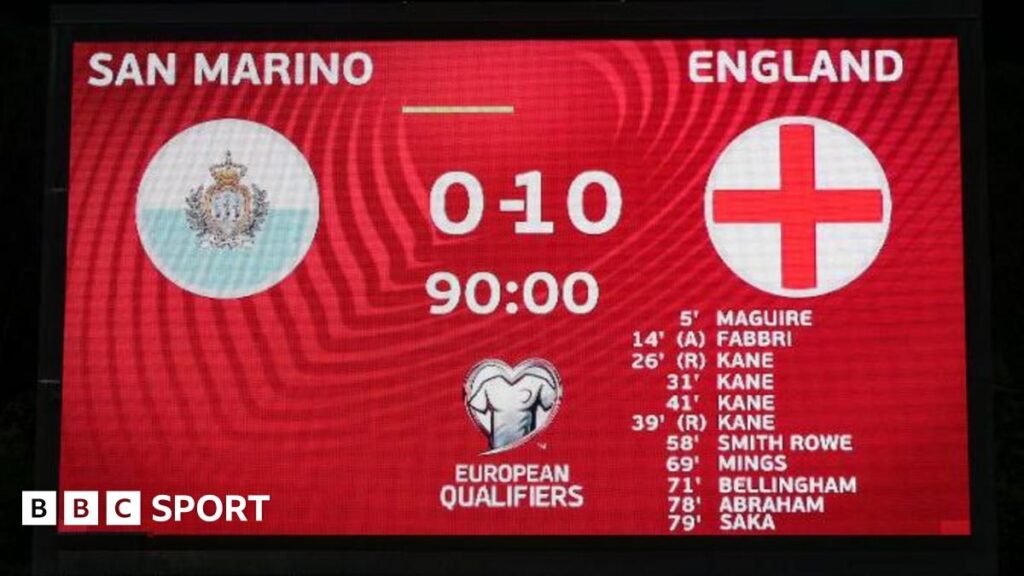
Uefa will introduce a two-tier qualification process for the 2030 World Cup, ending uncompetitive fixtures between major countries and minor nations such as San Marino and Gibraltar.
Critics have campaigned for years to restructure the international calendar in order to eliminate severe mismatches during qualification cycles.
Under the newly ratified rules, the top 36 European teams – determined by the 2028 Nations League standings – will compete in League 1.
The remaining 18 lower-ranked countries will participate in a separate League 2 tournament, creating a fairer environment with a greater chance of positive results.
Swiss model replaces traditional group stage
Qualification for the premier tier has been radically revamped to mirror the new Champions League format.
Instead of the traditional home-and-away group stage, all 36 teams will be drawn into three large groups of 12.
Every nation will play six matches against six different opponents, comprising three home fixtures and three away ties.
The best-ranked teams in each League 1 group will secure automatic progression to the global showpiece, with the remaining places decided via a play-off system.
European football’s governing body has yet to confirm the exact breakdown of automatic qualification slots for the tournament.
Ceferin highlights competitive balance
The 18 teams relegated to League 2 will effectively consist of the current League C runners-up and below, alongside all seven countries in League D.
Uefa president Aleksander Ceferin outlined the reasoning behind the dramatic shift in policy.
“The new formats will improve competitive balance, reduce the number of dead matches, offer a more appealing and dynamic competition to fans, while ensuring a fair qualification chance for all teams and without adding any additional dates in the international calendar.”
The Slovenian official’s remarks underscore a shift towards prioritizing competitive tension over traditional geographical or seeded group draws.
Nations League restructuring
In addition to the World Cup changes, the Nations League will also undergo a significant restructure starting in 2028.
The tournament will be streamlined into three divisions of 18 teams, with each division split into three groups of six.
Participating sides will still play six matches against five different opponents, drawing from three separate seeding pots.
The familiar semi-finals, finals, promotion, and relegation mechanics will remain central to the competition’s identity.