

US security officials race to protect World Cup from drone threats

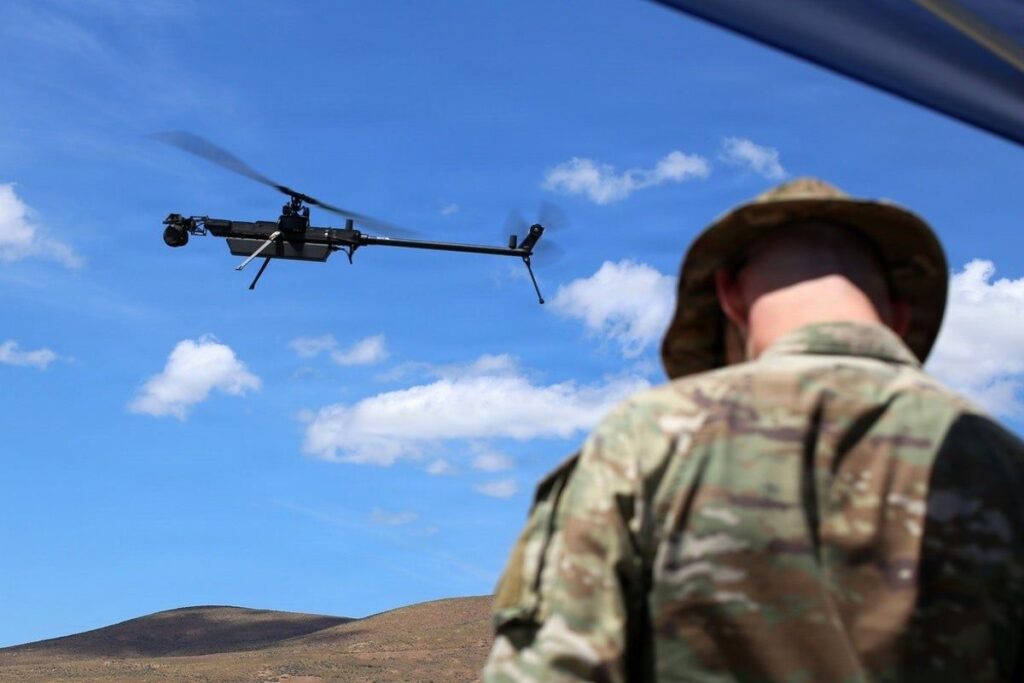
United States federal agencies and local police are scrambling to secure 11 venues against potential drone threats ahead of the World Cup, following delays caused by government shutdowns and supply chain issues.
The global tournament begins next week and is expected to attract up to seven million visitors across the American host cities.
Protecting the event has been likened to hosting “78 Super Bowls over 39 days” by Andrew Giuliani, executive director of the presidential World Cup task force.
Counter-drone measures delayed
Unmanned aerial vehicles have become a primary concern for law enforcement managing crowd safety at major sporting events.
Homeland Security Secretary Markwayne Mullin admitted to the House Homeland Security Committee that tournament preparations have lagged.
“On the counter-drone measures, everybody’s a little behind.”
“Drones are my biggest concern. Every single day, we improve, but that is a huge concern that we have.”
Delays in implementing these aerial defences were reportedly exacerbated by a partial government shutdown earlier this year.
Funding the security operation
Despite the logistical hurdles, counter-drone systems are now installed at all 11 stadiums hosting matches within the United States.
The Federal Emergency Management Agency (Fema) has directed $250m in grants to local jurisdictions to fund the necessary technology.
Meanwhile, the Secret Service has spent more than $100m over the past 18 months on similar airspace protection systems.
New federal legislation under the Safer Skies Act allows state and local police to intercept devices that threaten public safety under specific circumstances.
Local police deploy hunter tactics
Law enforcement departments in host cities are employing sophisticated methods to monitor and neutralise unauthorised aircraft.
Authorities in Kansas City, which will host team bases for England and Argentina alongside stadium fixtures, plan to utilise specialised “hunter-catcher” drones equipped with nets.
The King County Sheriff’s Office in Washington is investing approximately $12m to protect Seattle’s Lumen Field.
“We have to think about, ‘What is the worst case scenario?’”
Undersheriff Jeff Flohr told local media that aerial dangers have been a priority since tactical preparations began.
“One of our biggest concerns two and a half years ago when we started planning was, ‘What do we do with a dangerous drone?’”