

Women’s Afcon: Tournament in doubt as Morocco hosting uncertain

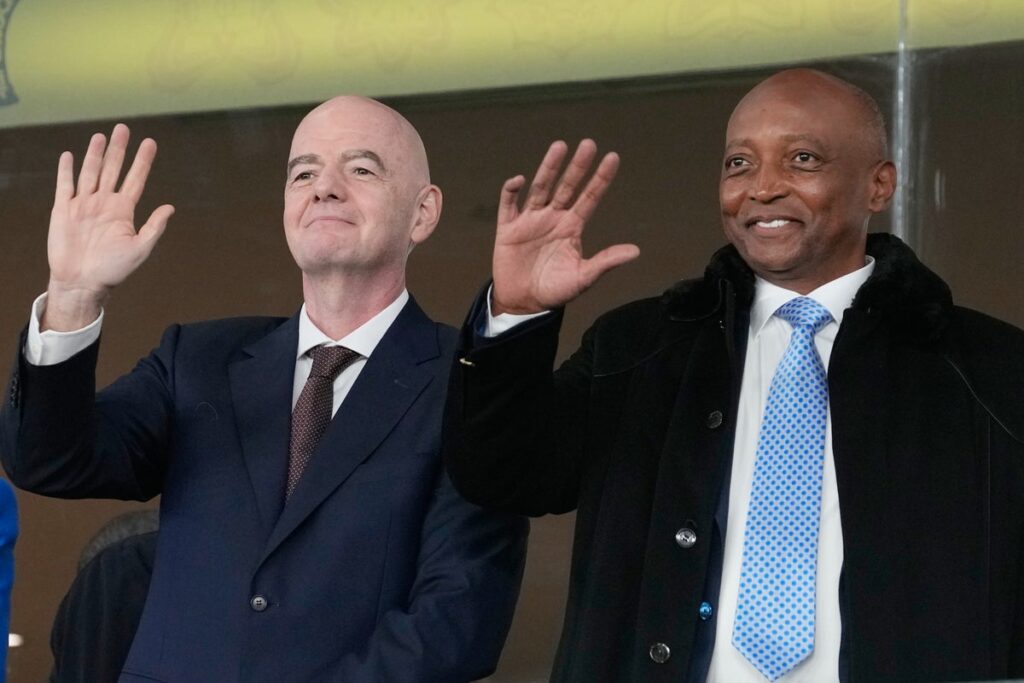
The upcoming Women’s Africa Cup of Nations faces major uncertainty with doubts emerging over Morocco’s willingness to host the tournament less than two weeks before kick-off.
The Confederation of African Football (CAF) has pledged to clarify the situation surrounding the event in the coming days.
Reports of a potential withdrawal by the hosts have circulated despite the tournament being scheduled to begin on 17 March.
“There has been several discussions for weeks. The matter is receiving urgent and high level attention.”
Luxolo September, CAF communications chief
Confusion over schedule
Morocco is slated to stage the finals for the third consecutive time, with the competition running until 3 April.
However, persistent rumours of the North African nation’s withdrawal have undermined preparations.
This uncertainty comes despite CAF president Patrice Motsepe’s assurance in February that the 16th edition would proceed as planned.
Motsepe had previously ruled out changing the dates, emphasising the event’s crucial role as a qualifying pathway for the 2027 Women’s World Cup in Brazil.
South Africa hits out at delay
South Africa, who had previously offered to step in as emergency hosts, have voiced strong criticism regarding the lack of clarity.
Gayton McKenzie, the country’s sports minister, lambasted the organisers for leaving the tournament’s status in limbo just 13 days before the scheduled start.
“If Morocco is ready to host the Wafcon because they had a brilliant Afcon, they should do so. But If they are not ready, we want to tell them, we are not a country with no stadiums, we are not a country with less infrastructure.”
Gayton McKenzie, South African Sports Minister
McKenzie insisted that his nation would not be “held hostage” by the current confusion.
“We will never be held hostage by countries that have less than what we have. We will not allow women to be treated in such a fashion.”
Expanded format under threat
The continental governing body expanded the finals to 16 teams in a surprise decision last November.
Nigeria enter the competition as defending champions following their 3-2 victory over Morocco in last year’s final.
The hosts also suffered defeat in the men’s Africa Cup final against Senegal in January, though the country is preparing to co-host the men’s World Cup in 2030.