

World Cup 2026 to introduce five-second countdowns in rule overhaul

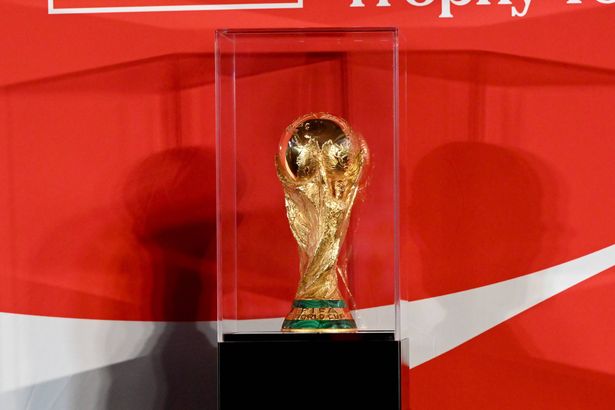
Football lawmakers are poised to introduce five-second countdowns for restarts at the 2026 World Cup as part of a significant crackdown on time-wasting.
The International Football Association Board (Ifab) is expected to ratify these changes during its annual meeting in Wales on Saturday.
The headline measure involves referees initiating a visible five-second count using hand signals when they suspect deliberate delays during throw-ins and goal-kicks.
Failure to release the ball within this timeframe will carry immediate consequences for the offending team.
A delayed throw-in will result in possession being reversed to the opposition, while wasting time at a goal-kick will see a corner kick awarded to the attacking side.
Substitution and injury limits
Further measures aimed at increasing the tempo of play include a strict ten-second limit for completing substitutions.
Should a team exceed this threshold, the change will be denied, forcing play to continue without the intended replacement.
A standardised one-minute period will also be mandated for players requiring treatment to remain off the pitch before being permitted to return.
VAR updates and Premier League influence
Video Assistant Referee (VAR) protocols are also set for adjustment ahead of the expanded tournament in the United States, Canada and Mexico.
Officials will gain the ability to review corner kick awards and examine red cards issued as a result of a second bookable offence.
These radical shifts follow growing concerns regarding game management tactics observed in domestic competitions, particularly the Premier League.
Lawmakers have identified specific loopholes, such as goalkeepers feigning injury to allow tactical regrouping, as areas requiring immediate intervention.
There have been suggestions that teams, including Arsenal, have utilised set-piece delays to disrupt the rhythm of opposition sides.
The overarching objective of the new legislation is to preserve the natural flow of matches while reducing the burden of excessive stoppage time on player welfare and broadcasters.