GLI Accredited by Ukraine’s PlayCity as First International Lab
GLI Receives First International Accreditation in Ukraine – PlayCity Advances Digital Gaming Oversight Reform
Key Takeaways
- Ukraine’s new regulator PlayCity has accredited Gaming Laboratories International (GLI) as its first international testing and inspection body.
- GLI Europe B.V., based in the Netherlands, is authorized to certify and inspect gaming hardware and software for Ukraine’s regulated market.
- The accreditation follows the dissolution of former regulator KRAIL in early 2025 and the creation of PlayCity under the Ministry of Digital Transformation.
- Ukraine is implementing a State Online Monitoring System (SOM) and a revised tax structure with an 18% tax on gross gaming revenue.
PlayCity Grants First International Accreditation to GLI
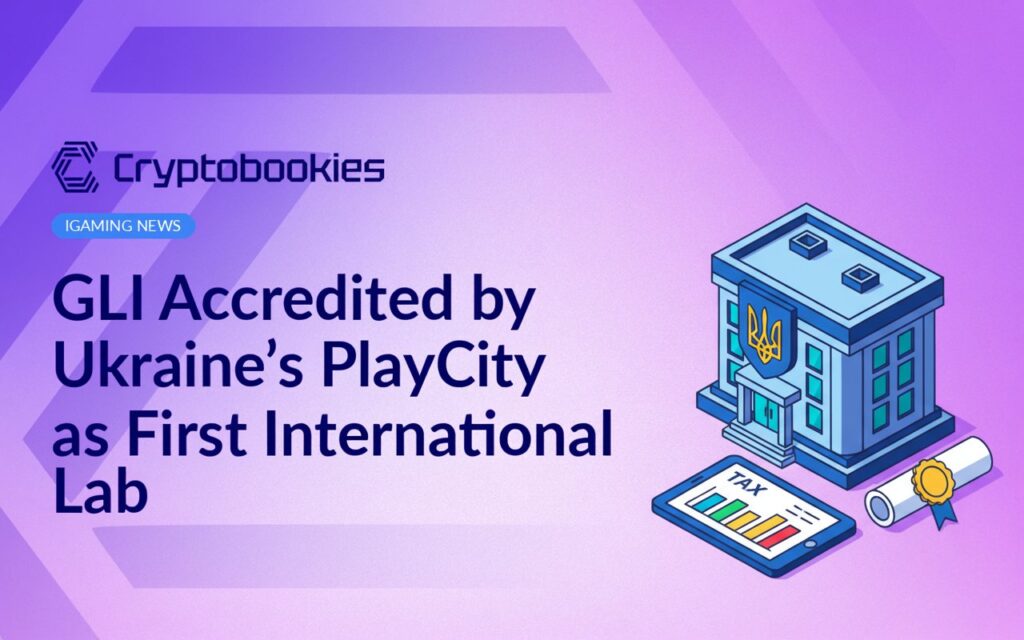
Ukraine’s gaming regulator PlayCity has granted its first international accreditation to Gaming Laboratories International, a US based testing and certification provider. The authorization allows GLI Europe B.V., operating from the Netherlands, to act as both a testing and certification provider and an inspection body within Ukraine’s regulated gaming market.
According to the announcement, GLI Europe B.V. is currently the only foreign entity authorized to perform these dual functions in the country. This accreditation enables GLI to process product certification requests from suppliers seeking entry into Ukraine’s regulated environment.
GLI operates in more than 710 jurisdictions globally. Through its European hub, the company will apply ISO/IEC standards 17025, 17020, and 17065 when assessing gaming equipment and systems for the Ukrainian market. These standards cover testing laboratories, inspection bodies, and product certification processes, and are intended to ensure that both software and hardware comply with local legal requirements.
Regulatory Reset After Dissolution of KRAIL
The accreditation comes after a significant restructuring of Ukraine’s gambling oversight framework. In early 2025, the previous regulator, KRAIL, was dissolved following high profile corruption scandals and allegations of lingering Russian influence.
President Volodymyr Zelenskyy subsequently authorized the creation of PlayCity, a new regulatory body designed to modernize and digitize oversight. PlayCity operates under the Ministry of Digital Transformation and is described as a digital first agency.
The stated objective of the new framework is to move away from paper based supervision toward a real time, data driven regulatory model. By accrediting an internationally active testing laboratory, the Ukrainian authorities are signaling that technical compliance and independent certification will play a central role in the restructured market.
Certification Requirements for Domestic and Foreign Suppliers
Under the updated framework, both domestic and foreign gaming suppliers must obtain a certificate of approval from PlayCity before they can request product certification. This requirement applies to companies providing gaming hardware and software.
GLI will handle product evaluations through GLI Europe B.V., applying the relevant ISO/IEC standards to areas such as random number generators and physical slot cabinets. The process is designed to ensure that gaming products meet Ukrainian legal and technical standards before they are deployed in the market.
James Boje, Managing Director for EMEIA at GLI, stated that the company will bring its global testing expertise to PlayCity and to suppliers seeking access to the Ukrainian market. The accreditation formalizes GLI’s role in supporting compliance checks for regulated operators and suppliers.
For operators and platform providers, certification by an accredited laboratory is a prerequisite for offering approved products. For international suppliers evaluating market entry, the presence of a recognized testing body may clarify procedural requirements and technical benchmarks.
State Online Monitoring System and Digital Oversight
The accreditation coincides with the rollout of Ukraine’s State Online Monitoring System, referred to as SOM. This framework is intended to provide the government with real time visibility into operator systems.
According to the information provided, SOM tracks player activity, fund transfers, and winnings through application programming interfaces. The system is designed to reduce the shadow segment of the market and to support fair taxation.
Alongside technical oversight, Ukraine has introduced legislative updates that revise the industry’s tax structure. The new model moves toward a flat 18% tax on gross gaming revenue. Combined with the implementation of SOM and the accreditation of international laboratories, the changes represent a coordinated restructuring of supervision, certification, and fiscal policy within the sector.
For operators, this means integration with monitoring infrastructure and compliance with updated tax rules. For suppliers, it requires alignment with certification standards verified by accredited bodies such as GLI.
Implications for the Regulated Market Environment
The decision to accredit GLI positions Ukraine within a framework that references internationally recognized testing standards. GLI has recently secured similar first of their kind accreditations in other jurisdictions, including the UK and the Philippines, according to the information provided.
In the Ukrainian context, the move indicates that the government is prioritizing structured certification and inspection processes as part of its regulatory overhaul. For players, this means that gaming software and hardware in the regulated market will be subject to laboratory testing under ISO/IEC standards before approval.
For international operators and suppliers assessing regulatory risk, the combination of centralized digital monitoring, formal laboratory accreditation, and a defined tax rate outlines the core parameters of Ukraine’s current gaming framework.
Our Assessment
Ukraine’s accreditation of GLI as its first international testing and inspection body marks a concrete step in the transition from KRAIL to the newly established PlayCity regulator. The authorization formalizes technical certification procedures under ISO/IEC standards and aligns them with the rollout of the State Online Monitoring System and a revised 18% gross gaming revenue tax model. Together, these measures define the operational, technical, and fiscal structure of Ukraine’s restructured gaming market.