Platipus Gaming Secures UKGC B2B Licence
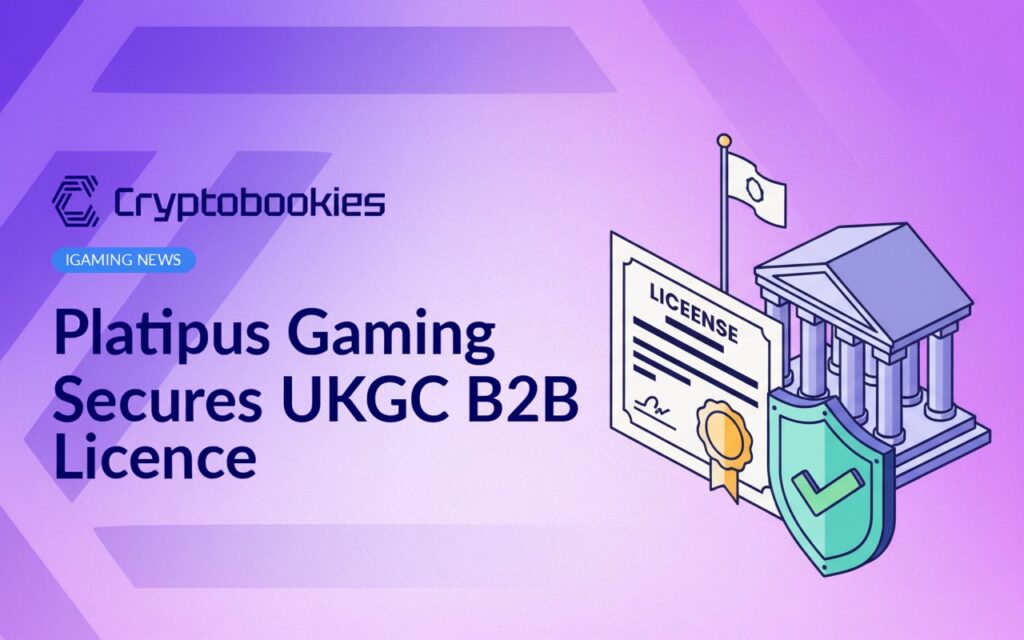
Platipus Gaming Receives UKGC B2B Licence – Strengthens Structured Compliance and Operator Accountability
Key Takeaways
- Platipus Gaming has received a B2B supplier licence from the UK Gambling Commission.
- The licence confirms alignment with detailed UKGC requirements on governance, reporting, and documented controls.
- The approval process required cross functional coordination and auditable risk management procedures.
- The company positions the licence as operational validation rather than a commercial expansion move.
- The status may support operators seeking regulated and accountable supplier partnerships.
UKGC B2B Licence Confirms Alignment With Detailed Regulatory Standards
Platipus Gaming has officially obtained a B2B supplier licence from the UK Gambling Commission. The approval allows the company to supply products and services within one of the most structured regulatory environments for gambling suppliers.
According to Priscila Ribeiro, Chief Strategic Officer at Platipus Gaming, the milestone represents confirmation that the company’s internal systems meet the UKGC’s detailed and process driven framework. The UK regulatory model requires documented controls, ongoing reporting, clearly defined governance structures, and supplier accountability.
Ribeiro states that receiving the licence confirms that Platipus’ operational architecture aligns with those requirements. The focus, she explains, was not market expansion but validation of structured compliance and internal discipline under regulatory scrutiny.
Preparation Required Formalised Procedures and Auditable Risk Management
The licensing process involved coordination across compliance, legal, technical, and operational teams. According to Ribeiro, the preparation phase required formalising procedures, strengthening documentation, and ensuring that risk management systems were not only implemented but also auditable.
She describes the UKGC framework as highly detailed and process driven. This means suppliers must demonstrate that controls are documented, governance structures are clear, and oversight mechanisms are consistently applied.
Ribeiro emphasises that the company did not treat compliance as a final approval step. Instead, structured compliance was embedded into Platipus’ development lifecycle. This includes integration into product design, quality assurance, release management, and reporting workflows.
In regulated markets, she notes, compliance cannot be retrofitted after product development. It must be integrated from the outset to meet supervisory expectations. The UKGC licence, in this context, serves as confirmation that the company’s processes are systematic and ongoing rather than temporary adjustments for regulatory review.
Supplier Responsibility and Governance in Focus
Ribeiro highlights that regulatory expectations increasingly extend beyond operators to include suppliers. Areas of focus include technical integrity, data transparency, governance clarity, and the ability to demonstrate consistent oversight.
The UKGC licence process reinforced internal alignment within Platipus, according to Ribeiro. She frames the approval as evidence of institutional maturity, pointing out that the regulator evaluates governance, accountability, financial controls, and operational integrity rather than marketing claims.
As oversight intensifies in regulated markets, suppliers are required to demonstrate not only product functionality but also organisational discipline. In this environment, structured governance can become a determining factor for market access and partnership opportunities.
Implications for Operator Partnerships in Regulated Markets
The UKGC B2B licence also has implications for operator relationships. Ribeiro notes that operators in regulated jurisdictions are subject to continuous supervision and therefore assess third party risk carefully.
By working with a UK licensed B2B supplier, operators may benefit from a more structured due diligence process. According to Ribeiro, onboarding becomes clearer and regulatory exposure can be reduced when supplier accountability is formally recognised.
She describes the licence as contributing to stability in commercial partnerships. Operators seek suppliers who understand regulatory accountability and can support sustainable supply under supervisory frameworks, rather than focusing solely on content distribution.
For operators active in regulated environments, supplier licensing status can influence internal risk assessments and compliance reviews. The UKGC approval provides documented evidence that Platipus’ governance and operational systems have been assessed against established regulatory criteria.
Continuity Rather Than Strategic Shift
While the licence strengthens Platipus Gaming’s position in regulated markets, Ribeiro stresses that the milestone represents continuity rather than transformation. She states that the approval reflects how the company already operates.
The licensing process did not introduce temporary compliance measures, according to Ribeiro, but confirmed an existing compliance first approach. Structured processes, transparent reporting, and defined governance mechanisms were already part of the company’s operational model.
Ribeiro frames regulation as a framework for sustainable collaboration rather than a barrier to growth. In her view, the UKGC licence reinforces long term readiness and institutional discipline within the company.
Our Assessment
Platipus Gaming’s receipt of a UKGC B2B supplier licence confirms that its governance, reporting, and risk management systems meet the standards required by the UK Gambling Commission. The process involved documented controls, cross functional coordination, and auditable oversight mechanisms. According to company statements, the milestone serves as operational validation and may support partnerships with operators that prioritise structured compliance and regulated supplier relationships.