

FIA confirm 2026 Formula 1 rule changes to boost flat-out driving

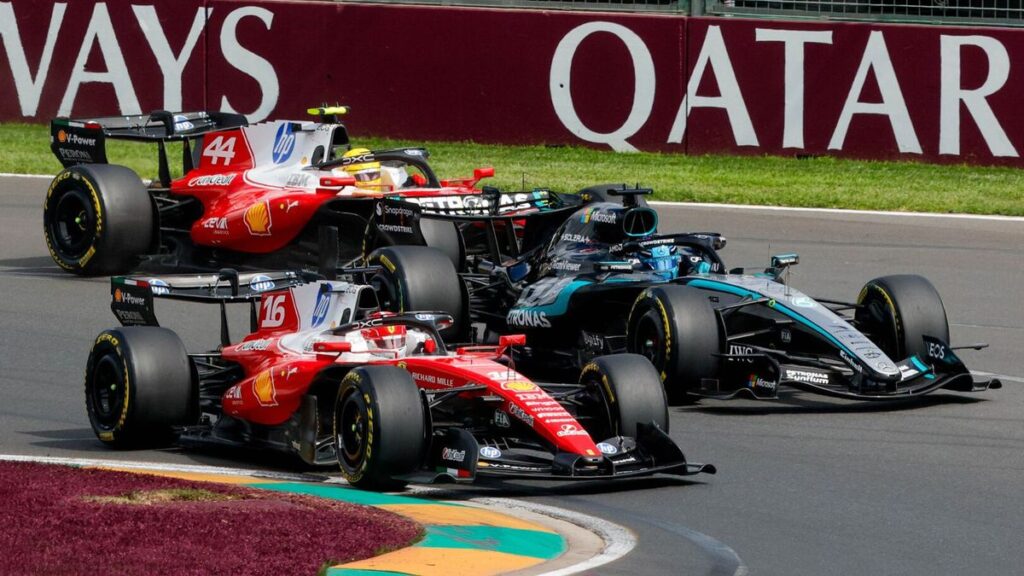
The FIA has confirmed a package of immediate regulation changes to the 2026 Formula 1 season ahead of the Miami Grand Prix, designed to improve driver safety and encourage flat-out racing.
The agreement was reached on Monday following a meeting between the sport’s governing body, team principals, engine manufacturers and commercial rights holders.
Modifications to energy harvesting and deployment limits have been introduced for qualifying sessions to reduce the need for drivers to lift and coast.
Addressing safety and speed concerns
Similar capping of electrical boosts and power deployment limits in corners will be applied during races to mitigate recent safety fears.
The sweeping 2026 regulation overhaul introduced new power units featuring a direct 50-50 split between electrical energy and the internal combustion engine.
However, competitors adapting to this complex energy management system have faced significant and unpredictable challenges on the track.
A severe crash involving Haas driver Oliver Bearman at the Japanese Grand Prix highlighted the acute dangers of sudden speed differentials between cars.
Four-time world champion Max Verstappen has also been highly critical of the racing spectacle produced by the new hybrid era.
Miami trials and schedule disruptions
Revised starting grid procedures will be trialled at the upcoming sprint weekend in Florida to prevent stalled cars from becoming hazardous obstacles.
Additional updates to wet-weather protocols have also been ratified to further protect the grid.
A spokesperson for the sport’s governing body explained that the refinements reflect data analysis from the opening three rounds of the championship.
“The final proposals presented during today’s meeting were the result of a series of consultations over the past few weeks between the FIA, technical representatives and extensive input from F1 drivers.”
Early assessments of the rules were always planned, but urgency increased following intense driver feedback and an unexpected break in the calendar.
The cancellation of the Bahrain and Saudi Arabian rounds due to conflict in the Middle East provided teams with an extended window to analyse early-season telemetary.