

Formula 1 drivers clash over controversial new hybrid engine regulations

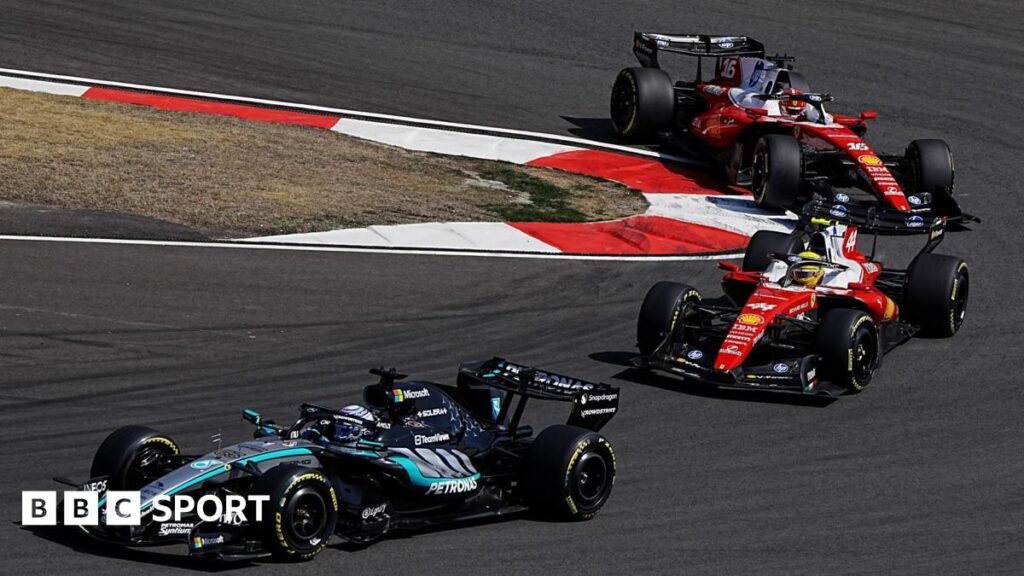
Formula 1 drivers remain deeply divided over the sport’s radical new rule changes following an incident-packed first month of the season.
The championship is currently on a month-long break enforced by conflict in the Middle East.
This pause has provided a period of reflection after three races operating under the biggest technical regulations shift in motorsport history.
Engines now feature a strict 50-50 power split between internal combustion and hybrid systems.
‘Mario Kart’ criticism and ‘yo-yo’ racing
The introduction of ‘overtake’ and ‘boost’ electrical modes has sparked accusations of artificiality across the paddock.
These new power modes were designed to replace the traditional DRS overtaking aid.
Drivers within one second of the car ahead can harvest extra electrical energy, leading to what insiders have dubbed “yo-yo racing” as position changes fluctuate lap after lap.
Max Verstappen has been fiercely critical of the new systems.
“It is anti-driving and feels like a joke,” the reigning world champion remarked, likening the experience to the Mario Kart video game.
Hamilton praises return to karting roots
However, not all competitors share the Dutchman’s pessimistic viewpoint.
Lewis Hamilton described a recent on-track duel with Ferrari’s Charles Leclerc at the Chinese Grand Prix as his most enjoyable in a decade.
“No-one has ever referred to go-karting as yo-yo racing,” the seven-time world champion stated.
“It’s the best form of racing, and Formula 1 has not been the best form of racing in a long, long time.”
Despite his enthusiasm, the British driver admits the new engine formats have slightly diminished the importance of pure driver skill.
Safety concerns after high-speed crash
Beyond the entertainment value, severe safety concerns have also emerged regarding the immense speed differentials between cars on track.
These fears were amplified during the Japanese Grand Prix.
Oliver Bearman suffered a terrifying 191mph crash, bringing long-held driver anxieties about the operational dynamics of the new machinery into sharp focus.
As the sport prepares to resume, striking a balance between spectacular racing and driver safety remains the ultimate challenge for the governing body.