

Fifa reduces World Cup stoppage time with strict new time-wasting rules

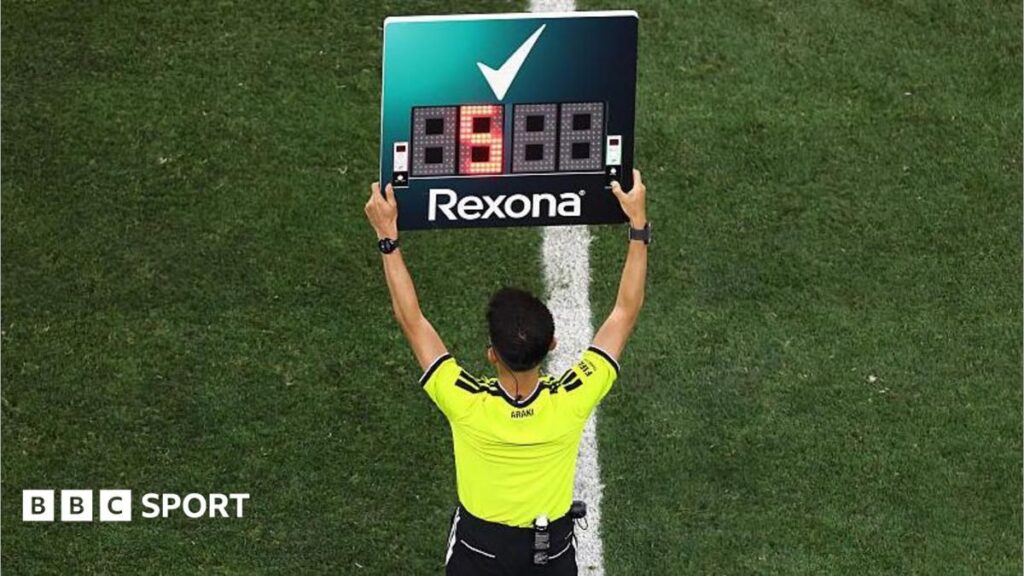
Fifa has successfully curbed extreme stoppage time at the 2026 World Cup by introducing aggressive new measures to combat time-wasting.
The previous tournament in Qatar saw matches frequently exceed 100 minutes as officials were instructed to add on all wasted time.
However, the current finals are averaging just 96 minutes per game, excluding designated hydration breaks.
Match officials are now routinely signalling for only five or six added minutes at the end of halves.
Targeting match tempo
Referees’ chief Pierluigi Collina spearheaded this tactical shift to increase the overall pace of the sport.
“The goal we want to achieve is to increase the tempo of the match,” Collina said ahead of the finals.
The Italian official introduced strict five-second countdowns for goal-kicks and throw-ins to stop teams from deliberately breaking up play.
Players requiring medical treatment on the pitch are now forced to remain on the sidelines for a full minute before returning.
Changing player behaviour
Furthermore, substitutions must be completed within a strict 10-second window.
The fundamental philosophy behind these alterations is to return time directly to the action without extending the physical clock.
“The objective is to eliminate, as much as possible, the disruption of the tempo of the match,” Collina explained.
The threat of temporary numerical disadvantages appears to be acting as a highly effective deterrent across the tournament.
Improved flow across North America
Athletes are increasingly respecting the boundaries, resulting in fewer minor injury delays and swifter departures from the field.
Only one major infraction has occurred so far, when DR Congo conceded a corner for delaying a goal-kick during their draw with Portugal.
With controversial goalkeeper tactical timeouts also banned, fixtures across the United States, Mexico and Canada are demonstrating a notably improved flow.