

USMNT stars face mental battles as injuries threaten World Cup dreams

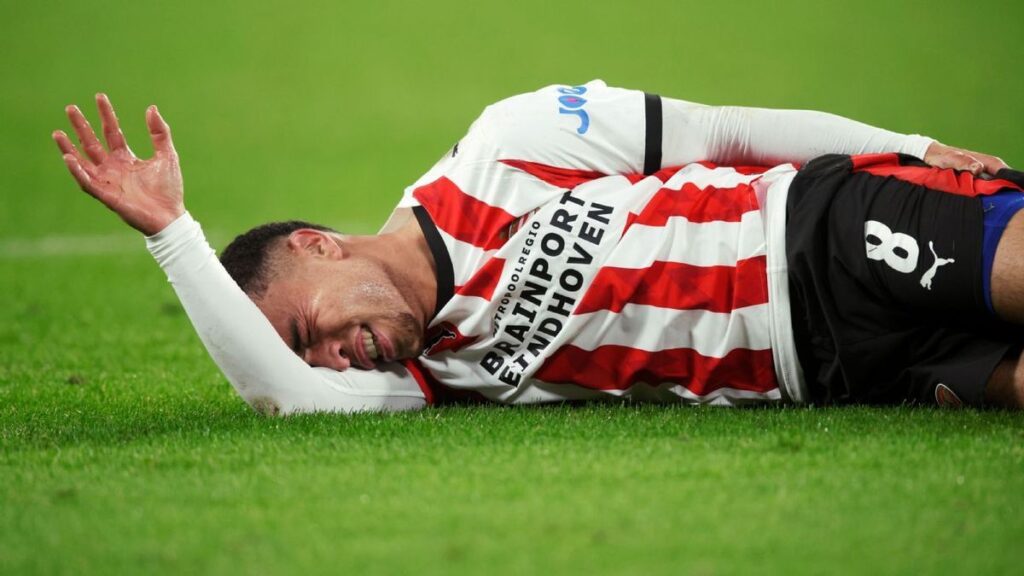
Several United States men’s national team players are battling severe physical and psychological hurdles as they race to recover from major injuries ahead of the World Cup.
The prospect of missing international football’s premier tournament remains every athlete’s worst nightmare.
Major physical setbacks have recently tested the resilience of the American squad, leaving several key figures facing prolonged and uncertain rehabilitations.
PSV Eindhoven defender Sergiño Dest continues a frantic race against time to overcome a hamstring issue sustained in early March.
The dynamic full-back recently provided a positive update to supporters, insisting his recovery is progressing well.
The psychological toll of recovery
AFC Bournemouth midfielder Tyler Adams is finally back on the pitch after enduring multiple setbacks, including a torn medial collateral ligament.
However, the international dream is entirely over for Derby County forward Patrick Agyemang following a devastating ruptured Achilles tendon in April.
Coping with these severe blows demands extensive psychological support alongside traditional medical intervention.
Dr Jessica Bartley, director of psychological services for the US Olympic and Paralympic Committee, believes cognitive care is crucial to returning players to the pitch.
“We’ve actually incorporated psychology into every injury,” said Dr Bartley.
“We have what’s called our athletes recovery program at the USOPC. And so psych is a part of all of those components.”
Embracing modern mental conditioning
Medical teams now utilise advanced tools such as mental imagery, visualisations, and virtual reality to accelerate the healing process.
The former US Soccer mental health task force member emphasised that a positive mindset remains incredibly powerful during rehabilitation.
Professional footballers dedicate countless hours to maintaining peak condition, yet the constant threat of a career-altering blow lingers over every match.
Modern sports science has responded by introducing proactive measures to protect both the physical and cognitive wellbeing of top-flight competitors.
“What’s been interesting is the number of athletes now who do what we like to call ‘prehab’,” Bartley added.
“There’s so much preventative stuff that you can do for the body and the mind now to just put yourself in the best position.”