

FIA confirms Formula 1 will return to V8 engines by 2031 season

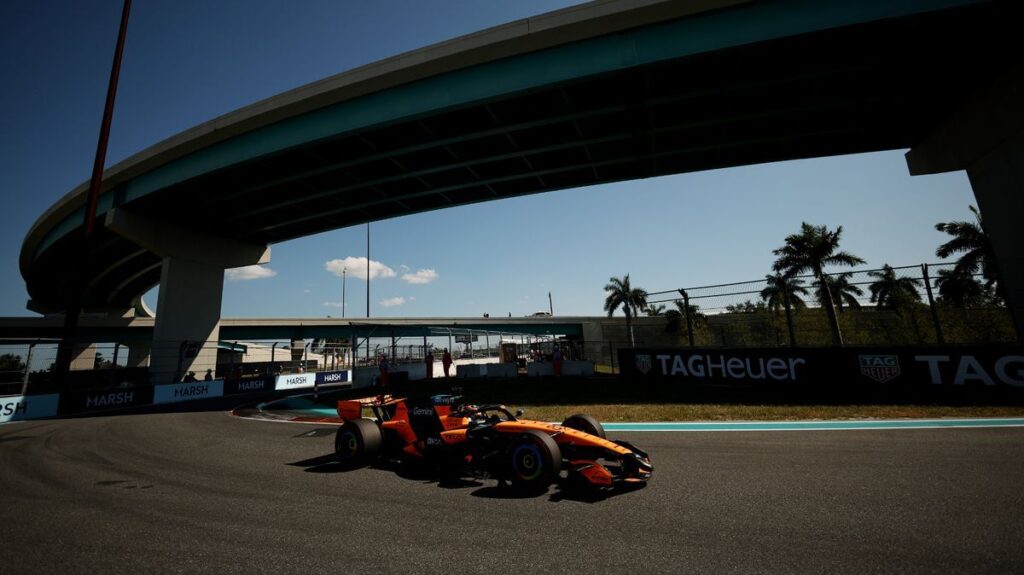
Formula 1 will abandon its current hybrid power units and revert to V8 engines by the 2031 season, according to FIA president Mohammed Ben Sulayem.
The sport introduced a new engine era this year, featuring power units split evenly between electric and combustion power while operating on fully sustainable fuel.
However, this significant overhaul of the technical regulations has faced mounting criticism from several leading drivers.
Reigning world champion Max Verstappen recently compared the latest hybrid machines to Formula E, branding them as unenjoyable to drive.
Meanwhile, seven-time title winner Lewis Hamilton has openly expressed his frustration regarding the sheer complexity of the modern systems.
Cost and weight concerns drive change
The existing power units remain enormously expensive for both manufacturers and customer teams to produce and maintain.
They are also exceptionally heavy, primarily due to the substantial battery packs required to support the electrical components.
The concept of returning to older engine configurations was initially floated last year but faced rejection from manufacturers who had already invested heavily in hybrid technology.
Despite this initial resistance, the sport’s governing body insists that a shift toward lighter, less complex machinery is inevitable.
Ben Sulayem targets earlier implementation
Under current governance structures, the sport’s rule-makers can mandate technical changes by the start of the next decade regardless of team opposition.
In 2031, the FIA will have the power to do it, without any votes from the power unit manufacturers.
But we want to bring it one year earlier, which everyone externally now is asking for.
When you try to tell them, they say no, but what will come, will come, and the power will come back to the FIA.
Speaking ahead of the Miami Grand Prix, the Emirati official indicated that the eight-cylinder option is heavily favoured over a V10 layout due to modern automotive trends.
If I ask any of the manufacturers who are in F1 now if they produce any cars with a V10, an era that many of the cars had, but now, no.
These future V8s will not be straightforward naturally-aspirated designs, but will instead align with the ongoing commitment to fully sustainable fuels.